
Table of Contents
Apple Issues iOS 16.7.1 and iPadOS 16.7.1 to Patch Kernel Vulnerability
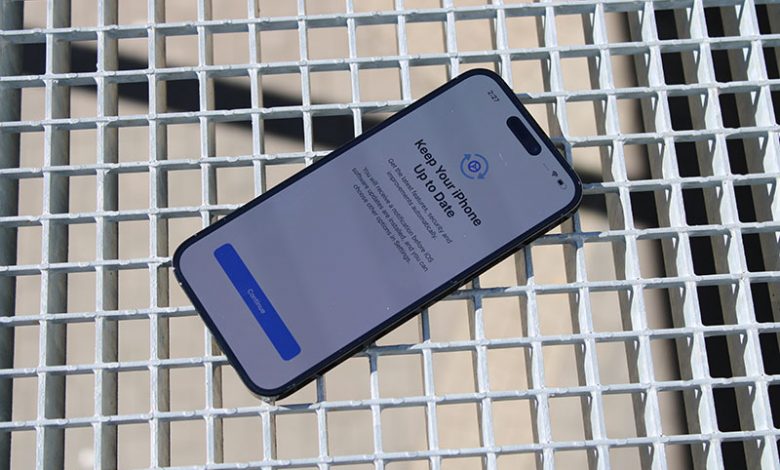
Apple has recently issued new updates - iOS 16.7.1 and iPadOS 16.7.1, in response to a kernel vulnerability that has been exploited in attacks. This vulnerability, identified by its codename CVE-2023-42824, posed a significant risk to user cybersecurity and has been classified as a local privilege escalation issue. This means that the vulnerability could be exploited to give an attacker higher-level privileges on the device than they would normally have, opening doors to a more comprehensive array of malicious actions including data theft and unauthorized system changes.
Details about the Kernel Vulnerability
What made this vulnerability particularly dangerous was its potential utilisation as part of an exploit chain. In simple terms, an exploit chain involves using multiple vulnerabilities in conjunction with each other, typically to gain unauthorized access to a system or sensitive information. The inclusion of this kernel vulnerability in such a chain could have escalated the risk and potential damage significantly.
Information Disclosure
In addressing this issue, Apple has not yet provided specific information about the entity that exploited this vulnerability or the party that disclosed it. Anonymous researchers have often been responsible for bringing such issues to Apple's attention in the past. The company's approach to handling such issues has traditionally involved swift action to patch the vulnerability along with a change in coding to prevent future attacks of a similar nature.
New Security Measures
Alongside the fixes for this kernel exploit, the iOS 16.7.1 and iPadOS 16.7.1 updates contain additional security enhancements. These updates mark company's ongoing commitment to addressing and improving cybersecurity issues as quickly and efficiently as possible. The release of these updates reaffirms the importance of keeping devices up-to-date with the latest software versions to ensure the highest level of protection against potential security threats.
Timeline of CVE-2023-42824 Exploitation and Patch Releases
In the world of software development, and particularly in the realm of cybersecurity, patches are a routine necessity. With vulnerabilities frequently discovered and exploited, Apple has exhibited its commitment to protecting its customer base through regular patch releases. The CVE-2023-42824 vulnerability and steps taken to address it provide an illustrative example of this phenomenon.
Initial Alert and Identified Exploitation
Apple first alerted its customers about the CVE-2023-42824 vulnerability on October 4th, during the announcement of iOS 17.0.3. At the time of this alert, the vulnerability was already being actively exploited. Specifically, Apple reported that exploitation had been seen against devices running iOS versions prior to 16.6. The company did not provide specific details regarding the identity or source of these exploits but emphasised the importance of updates to ensure security.
Patch Release for Earlier iOS Versions
In order to provide the necessary security measures to all customers, Apple quickly responded to this active exploitation by issuing iOS 16.7.1 and iPadOS 16.7.1 updates. These updates were critically important, as they were able to deliver patches to older devices that had not been updated to version 17 of the mobile operating systems. With this remediation action, Apple successfully extended the required protection against CVE-2023-42824 exploitation to a broader range of devices, ensuring the safety of their users and maintaining the integrity of their software ecosystem.
Future Forecasts
In the face of ever-evolving cyber threats, such timelines and dedicated patch release phases underscore the constant commitment to cybersecurity in tech companies like Apple. It is important to note that with every new software update, while many vulnerabilities may be fixed, there is always a possibility that new ones may be discovered. As such, constant vigilance and regular software updates remain the best line of defence for all users.
Connection to Commercial Spyware Vendors
It's pertinent to note that many vulnerabilities in iOS that have been recently patched due to active exploitation in the wild have a marked connection to commercial spyware vendors. Such vendors supply tools capable of exploiting these vulnerabilities to various parties, often raising ethical and human rights concerns.
Targeted Entities
The entities targeted by these spyware attacks are typically of interest to authoritarian or totalitarian regimes. These can include human rights activists, civil society organizations, or media entities that are viewed as dissenting voices or potential threats. By exploiting such vulnerabilities, these regimes can surveil these targets, infringing on their privacy rights and potentially putting their safety at risk.
Role in Zero-Click Exploit Chains
These iOS vulnerabilities often feature as critical links in zero-click exploit chains. In such chains, multiple vulnerabilities or weaknesses are exploited in a series, allowing the attacker to compromise a target's device without any interaction from the user. This makes the attack difficult to detect and block, thereby increasing its effectiveness. Such exploit chains are used by these vendors to deliver spyware to iPhones. For instance, the recently patched CVE-2023-42824 vulnerability was used in exactly such a context. This spyware, once delivered and installed, can provide the attacker with access to vast amounts of personal data, thereby seriously compromising the privacy and confidentiality of the user.
Commercial Spyware Providers and Ethics
The existence and activities of commercial spyware vendors have stirred debates around the ethics and legality of such operations. While such tools may sometimes be used for legitimate purposes, such as law enforcement investigations, there are significant concerns about their misuse. Often, they end up serving as instruments of repression in the hands of authoritarian governments, thereby raising necessary questions about accountability and regulatory oversight in the cybersecurity domain.
Google’s Role in Discovering and Analyzing Vulnerabilities
While Apple's security team works tirelessly to mend vulnerabilities, they're not the only ones keeping an eye out. Many of the zero-days affecting Apple software have been discovered or examined by researchers from Google. The internet giant has a specialized team dedicated to identifying and understanding these security flaws.
Count of Exploited iOS Vulnerabilities in 2023
As per Google's records, they have been aware of nine exploited iOS vulnerabilities that were discovered in 2023. This is a significant figure, demonstrating the importance of maintaining up-to-date devices and applications. Each vulnerability presents an opportunity for malicious entities to gain unauthorized access or compromise device security.
Familiarity with Spyware Delivery Techniques and Targeted Entities
Google researchers over the years have amassed thorough knowledge of how these vulnerabilities are often used by spyware vendors. These vulnerabilities could be used to deliver spyware through methods such as zero-day exploits that allow for stealthy, unrequested installation of malicious code. Furthermore, they have a good understanding of the types of entities that are typically targeted, which often includes activists, journalists, and other individuals of interest to certain parties.
Collaboration in Cybersecurity
This ongoing process of discovering and patching vulnerabilities reflects a larger collaborative nature in the cybersecurity landscape. With numerous companies, organizations, and independent researchers involved in identifying and responding to threats, the cybersecurity community acts as a united front to protect users and their data.