Table of Contents
Understanding Browlock Ransomware and “Your Browser Has Been Blocked” Ransomware
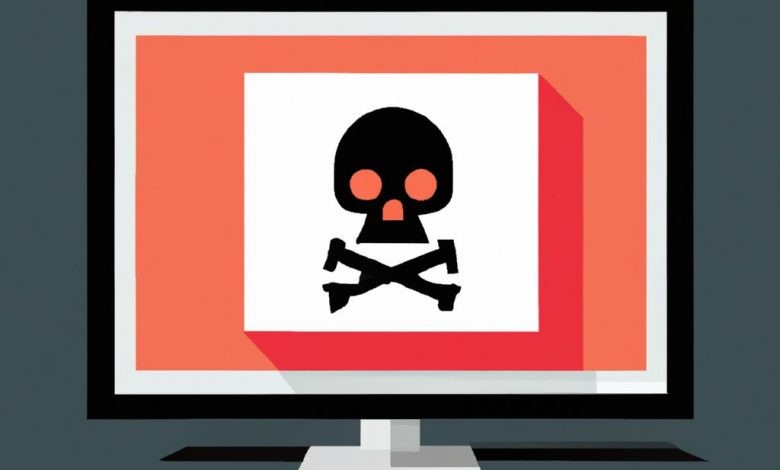
When you see messages such as "Your browser has been blocked," "All activities on this computer have been recorded," or "All your files are encrypted," while browsing, you must know that these are not authentic alerts. They're caused by ransomware viruses from cybercriminals, rather than legitimate authorities. Primarily the outcome of a ransomware variant called 'Browlock,' these messages purposefully disrupt internet browser functionality. Browlock uses Java script to impact exclusively the users' web browsers.
Cybercriminals’ Exploitation of Authority Names
Creators of Ransomware strains like Browlock manipulate the fear of their victims by masquerading as reputable entities such as the FBI, EUROPOL, or other global authorities. The motive behind using respected names is to add credibility to their illegal activities and increase the likelihood that the victims will comply with their demands. The fabrications are so professional that unsuspecting users might believe they owe a penalty to these authorities.
Use of Fake Legal Violation Notifications
Browlock ransomware's pop-up scare tactics do not stop at impersonating authorities. They often come armed with a list of fake law violations. Charges can range from copyright infringement to viewing or spreading prohibited pornographic content, and even being careless with your computer. This technique is a psychological trick to foster guilt and fear, compelling the user to pay up in a bid to avoid legal repercussions.
Description of Ransomware Viruses and Browlock
Ransomware viruses are malicious software created by cybercriminals intending to block users' access to their digital resources until a ransom is paid, hence the name 'ransomware.' One major type of ransomware is Browlock, which specifically targets internet browsers. Unlike some other ransomware strains that encrypt files or lock out the entire screen, Browlock essentially 'locks' the user's browser through scripts, preventing users from closing or navigating away from the ransom page.
How Ransomware Operates
Ransomware is a type of malicious software that essentially holds a user's digital data captive until a demanded payment or 'ransom' is completed. It executes this by blocking access to significant sections of the user's computing environment or even encrypting valuable personal files. The specific operating manner varies across different ransomware variants, yet the ultimate goal remains the same: to scare the victim into paying the ransom.
Reliance on JavaScript for Browser Blocking
Particularly for the Browlock variant of ransomware, JavaScript plays a crucial role in manifesting the attack. JavaScript, a popular scripting language for web development, is manipulated by the Browlock ransomware to 'lock' the browser. This action leads to the inability of users to close or navigate away from the ransom-demanding page, thus achieving the ransomware's purpose of blocking browser activity until the ransom is paid.
Deceitful Warning Messages and Fine Demands
Ransomware often employs fear and intimidation tactics to tempt victims into complying with their demands. For instance, it generates 'official-looking' messages stating that the browser have been blocked due to the user's illegal online activity. These messages ask for payment usually in the form of fines. Paying these so-called fines gives your hard-earned money directly to the cybercriminals who use various untraceable digital payment methods to collect their ill-gotten gains.
Indications of Browlock Ransomware Infection
An immediate red flag of a Browlock ransomware infection is a sudden inability to access your web browser or specific files on your computer. Other key indicators are the appearance of unknown applications or files, a considerable reduction in system efficiency, and frequent system crashes. Most notably, a clear alarm sign is the display of warning messages asserting illegitimate online activity, data encryption, and demands for payment of fines.
Steps to Deal with the Ransomware Scam
Browsing the internet becomes a nightmarish experience when confronted with ransomware scams. However, paying fines is not the solution. Instead, certain measures can effectively combat this issue and restore your browsing safety. Below are some methods to combat the ransomware infection.
Termination of Browser Process Through Task Manager
If you're faced with a ransomware attack, the first step is to end the process associated with your internet browser. You can accomplish this by pressing Ctrl+Alt+Del on your keyboard and selecting Task Manager. In the opened window, go to the Processes tab, find and end the process related to your internet browser. The process names for some common browsers are: 'iexplore.exe' for Internet Explorer, 'chrome.exe' for Google Chrome, 'firefox.exe' for Mozilla Firefox, and 'Safari.exe' for Safari.
Scanning of Computer for Malware Infections
Once you have successfully closed your browser, the next step is to thoroughly scan your computer system for any possible malware infections. You can utilize reliable malware removal software to do this job. Keep in mind that it's crucial to always keep your software, including security software, updated for it to effectively combat the latest malware threats.
Alternative Method: Temporarily Disabling JavaScript
Another method to close the fake ransomware message is to temporarily disable JavaScript. This action can put a halt to the recurring ransomware messages. However, remember to enable JavaScript after you've successfully closed the message since it's essential for many websites to function correctly. If a ransomware page pops up frequently, it may be a sign of a critical security issue which necessitates a comprehensive computer security inspection.
Recent Developments and Updates Related to Browlock Ransomware
Ransomware scams are not static; they evolve and adapt to maintain effectiveness. This section highlights some recent developments in the digital crime world, featuring methods such as usage of geo-targeted messages and disguised URLs, among others.
Target Countries and Localized Ransomware Messages
Prosecutors of ransomware scams have widened their coverage to a global scale, targeting multiple countries and regions. They further enhance the scam's deceit by localizing the message language—the ransomware warning pops up in the local language of the geographically targeted victim. Some targeted countries include the U.S., Canada, Germany, France, Australia, and a host of others, invariably claiming to represent prominent local authorities such as the FBI, the RCMP, or Interpol.
Use of CloudFlare Services and Masked URLs
Modern ransomware scams have also adopted more sophisticated methods of operation. For instance, some now utilize CloudFlare services, a company that provides DDoS mitigation, Internet security, and distributed domain name server services. This application conceals the actual hosting environment of the scam website, making it difficult to trace back to the cybercriminals. Some also use URL masking to mask the real URL, making the link seem harmless and legitimate.
New Ransomware Variant: “INTERPOL ASSOCIATION NATIONAL SECURITY AGENCY”
A more recent variant of this ransomware scam has been seen using the title "INTERPOL ASSOCIATION NATIONAL SECURITY AGENCY". The objective remains the same – to trick Internet users into believing that they have been engaged in illegal activity and must pay a fine. The usage of famous and credible authority names adds to the illusion of authenticity.
Phony Cleared Criminal Record Message After Fine Payment
Another development in ransomware scams is the promise of clearing the user's criminal record once the fine is paid. After payment, victims receive a message indicating that their 'criminal records' have been cleared, enhancing the believability of the entire scam. This move plays psychologically on the victim convincing them they have resolved their non-existent 'legal problem'.