Table of Contents
Introduction to QR Code Risks
In the digital landscape, the use of QR codes has seen a significant uptick, particularly during times when contactless interactions have become the norm. However, with convenience comes vulnerability, and this small, square barcode is becoming a gateway for a new type of threat: "quishing". Quishing attacks are an evolution of phishing, taking advantage of the QR code format to deceive individuals into compromising their personal information or security.
Awareness of “Quishing” Attacks on the Rise
Security professionals are noticing an alarming increase in the frequency of quishing attacks. A you scan a QR code, you might unknowingly open yourself up to this clandestine form of phishing. This modern menace capitalizes on the trusted nature of the seemingly innocuous QR code. Often, unwary victims may not realize the danger until it's too late, with attackers expertly crafting QR codes to mask their nefarious intentions.
QR Codes as a New Vector for Phishing
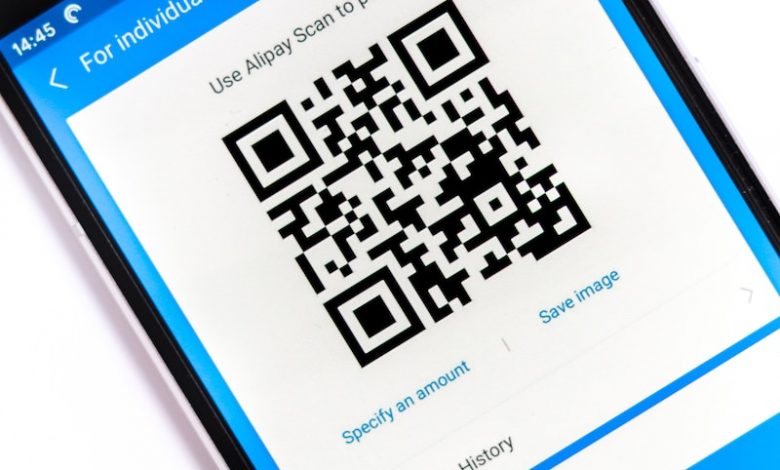
The principle behind a quishing attack is straightforward yet devious. Cybercriminals embed malicious URLs within QR codes, which, when scanned by an unintended victim, lead to counterfeit websites or prompt the download of malware. What makes QR codes particularly dangerous is their ability to bypass traditional email filters that typically catch suspicious URLs. The contactless nature of QR codes strips away that added layer of scrutiny that comes with being able to preview a link before clicking, leaving many users vulnerable to scams.
Quishing is not just a theoretical risk; it's a real-world problem with tangible consequences. As QR codes become more integrated into our everyday activities, from retail to restaurant check-ins to financial transactions, the opportunities for hackers only grow. To compound the issue, the pandemic has accelerated the use of personal mobile devices for a multitude of transactions, often without adequate security measures in place, further disproportionately exposing both individuals and enterprises to this burgeoning risk.
Understanding How QR Code Hacks Work
QR (Quick Response) codes serve as a bridge between the physical and digital worlds, but this very convenience also opens up opportunities for exploitation by cybercriminals. To comprehend the extent of the potential threat, it is imperative that we understand the mechanics of how these codes can be hacked, possibly leading to data breaches and other digital security concerns. Here, we uncover the risks associated with QR codes and the methods hackers use to exploit them.
QR Codes as a Potential Conduit for Fraudulent Websites
Scanning a QR code can sometimes lead one unsuspectingly into the hands of cybercriminals. QR codes are capable of pointing towards URLs that connect to fraudulent websites just as easily as they can to legitimate ones. One of the key problems arising from this is that users are often unable to discern the nature of the website they are being directed to prior to visiting it. The destination site may host phishing pages, exploit kits, or other malicious content waiting to compromise the user's data the moment they interact with the site.
Ease and Speed of QR Code Creation by Malicious Actors
The same features that make QR codes so accessible and user-friendly for businesses make them equally advantageous for scammers. Creating a QR code is a simple, fast process with numerous free online tools available. Cybercriminals create their own malicious QR codes, embedding them with URLs that lead to harmful websites or prompt unauthorized actions on the user's device. With just a little effort, these fraudulent codes can replace genuine ones in places where people are conditioned to scan them - in restaurants, parking meters, on flyers, or even in personal emails.
QR Codes Used in Various Scams and Their Purposes
QR codes are multitalented; they can guide users to web links, establish Wi-Fi connections, and even facilitate financial transactions. However, it's this versatility that makes them powerful tools in the hands of hackers. The deployment of QR codes in scams can range from directing users to download malicious apps that compromise their devices, to tricking them into providing login details on fake authentication pages. Hackers can strategically place these deceiving QR codes in public spaces or even craft them into convincing advertisements, thereby increasing the probability of ensnaring victims. These wide-ranging applications render QR codes a significant threat vector when misused, often resulting in the theft of personal information or unihibited access to sensitive data.
Strategies for Avoiding QR Code Hacks
As QR codes proliferate, users need to be as vigilant with them as they are with other digital communication tools. Cybersecurity hinges on proactive measures to avoid falling victim to evolving hacking strategies. This section outlines practical strategies individuals and organizations can adopt to protect themselves from QR code threats.
Verification of QR Code Sources
Just as you would think twice before clicking on a link from an unknown email sender, the same level of scrutiny must be applied to QR codes. Prior to scanning a QR code, ascertain the legitimacy of its source. QR codes found in trusted locations such as inside reputable businesses are generally safe. However, if a QR code appears in an unusual place or is sent via an unexpected message, it may well be a trap laid by hackers. Authenticity checks should be a habitual part of handling QR codes to ensure security.
Use of Security Precautions Similar to Those for Emails and Instant Messages
The security practices used for email and instant messaging are also effective for safeguarding against QR code exploits. Treat QR codes with caution, especially if they are accompanied by messages creating a sense of urgency or pressure to act quickly. Being wary of QR codes attached to suspicious emails, or found on unverified websites is a vital safeguard. As a further precaution, keep digital accounts fortified with strong, varied passwords, and utilize multi-factor authentication where available to provide additional layers of protection.
Awareness of Social Engineering Tactics Like Urgency and Alarm
QR scams frequently use social engineering tactics, such as implying urgency or alarming threats, to compel victims into immediate action without due consideration. Be aware of these psychological tricks and take a moment to critically evaluate the situation. If you are prompted to scan a QR code to avoid account deletion, verify your identity, or secure a limited-time offer, exercise caution. These scenarios are commonly used as bait to lure users into scanning malicious QR codes.
By following these strategies and remaining alert to the nuances of QR code technology, users can significantly reduce the risks associated with their use. Educating oneself on the potential threats and maintaining sound digital hygiene practices are essential steps toward secure QR code usage.
Protective Measures and Good Practices
Mitigating the risks associated with QR code fraud involves not only awareness but also the adoption of thorough security measures and best practices. Protective measures are essential to safeguard personal information and maintain the integrity of digital security in an era where the line between the physical and digital worlds blurs. Below, we outline strategies to reinforce security and prevent unauthorized access to sensitive data.
Implementation of Two-Factor Authentication
One of the most effective ways to enhance account security is through two-factor authentication (2FA). 2FA adds an additional layer of verification beyond just the password, often involving a temporary code sent to a verified device or generated by an authenticator app. This extra step ensures that even if a scammer obtains your password, they still cannot access your account without the second authentication factor. Implementing 2FA can substantially decrease the likelihood of unauthorized account access, even if sensitive data has been compromised through a QR code scam.
Keeping Personal Account Details Current
Up-to-date personal details are crucial to account security. Ensure that backup email addresses, recovery phone numbers, and security questions are current and accessible. In the event of a security breach, these details are usually the first line of defense in regaining control over compromised accounts. They can also be instrumental in receiving timely alerts about any suspicious activity linked to your accounts.
Regular Updating of Software and Browsers for Fraud Protection
To protect against sophisticated QR code threats, it is vital to maintain the latest versions of software and browsers on your devices. Software developers often release updates that patch security vulnerabilities and include improved features to detect and alert users of fraudulent links. Staying updated ensures that you have the best tools at your disposal to safeguard against malicious QR code redirects and related scams.
Logging Out of Unused Devices and Deleting Old Accounts
Old and forgotten accounts can become gateways for hackers if left unchecked. It is wise to log out of devices that are no longer in use and to delete any accounts that are no longer required. These accounts can store sensitive information that might be exploited if the account were to be breached. A routine audit of your online presence to identify and remove any unnecessary digital footprint can significantly reduce the risk of personal data exposure.
By employing these protective measures and adhering to the outlined good practices, individuals can fortify their defense against QR code scams and maintain a higher level of digital security in their daily lives.