
Table of Contents
Senate Majority Leader Discusses AI Legislation Goal
The United States Congress is actively seeking the input of AI experts to shape emerging legislation on the development and use of artificial intelligence technologies. The Senate Majority Leader has expressed the goal for a bipartisan law that encourages innovation in AI, while also addressing its potential risks. This includes aspects such as privacy concerns, data protection, ethical standards, and the societal implications of AI integration.
Aim to Pass a Bipartisan Law Promoting AI Development and Mitigating Risks
The Senate Majority Leader has underlined Congress’s commitment to fostering technological innovation, particularly in the sphere of AI. The goal is to draft a comprehensive law that not only aids the development and usage of AI but also sets regulations for mitigating potential risks. As such, this legislation would cover a broad range of AI issues including industrial applications, privacy considerations, data protection, ethical guidelines and the social impact of AI deployment.
Consults with Tech Experts and Various Leaders to Advise U.S. Congress
The U.S. Congress is looking to informed sources for guidance on this complex issue. Tech experts across the industry, academic scholars specializing in AI, ethical leaders, and individuals from various sectors are all being consulted. Their insights and industry knowledge will be integral in shaping balanced and effective AI policies. By seeking varied input, Congress aims to form a well-rounded perspective that caters to the interests and concerns of all stakeholders involved in AI.
Closed-Door Meeting at the Capitol
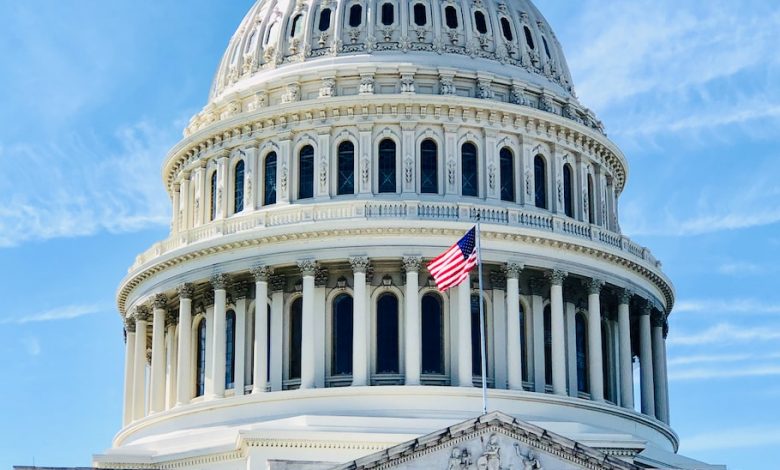
As part of their effort to foster cross-sector collaborations, the U.S. Congress organized a closed-door meeting in the Capitol. This meeting was attended by an interesting mix of intellectuals which includes tech industry executives, scholars, activists, civil rights groups representatives, and union leaders. Their collected input and recommendations are expected to contribute significantly to the developing AI legislation.
Meeting Includes Tech Executives, Activists, Civil Rights Groups, and Union Leaders
The meeting was carefully curated to ensure representation from diverse sectors that are keenly affected by AI developments. By including tech executives, the Senate could hear about the on-the-ground realities, challenges, and future plans directly linked to AI applications. Activists and civil rights groups were present to voice concerns about potential ethical and societal issues linked to AI. Similarly, union leaders provided their insights into how AI could impact the workforce and labor markets.
Notable Attendees Include Mark Zuckerberg, Elon Musk, and Bill Gates
The list of attendees featured some of the biggest names in the tech industry. Mark Zuckerberg of Facebook, Elon Musk of Tesla and SpaceX, and Microsoft's Bill Gates were present. Their insights, given their leading roles in companies at the forefront of AI advancements, are likely to have significant influence on the discussion and subsequent legislative decisions.
All Members of the Senate Invited, General Public Not Included
Though the meeting was closed to the general public, all members of the Senate were invited to attend. This was done to ensure that lawmakers from all political backgrounds could learn from the discussions, thereby informing their decision-making as they work towards creating comprehensive AI legislation.
Aims and Challenges of the Meeting
The principal objective of the meeting was to gather expert knowledge to guide the establishment of a regulatory framework for the rapidly evolving AI sector. Considering a consensus on AI regulation has yet to be achieved, this meeting aimed to explore feasible paths forward, anticipate potential complications, and ensure positive development and integration of AI technologies in society.
Schumer Seeks Advice on Tech Sector Supervision
Senate Majority Leader Chuck Schumer sought the advice of the tech world's top minds with respect to oversight of the tech sector. The aim was to identify ways to ensure that technology companies are adequately regulated, and that potential abuse of AI technology is mitigated without inhibiting technological innovation and progress.
Attempts to Reach a Consensus to Establish Significant Tech Sector Regulation
Another crucial aim of the meeting was to cement a consensus on putting substantial regulation into place for the tech sector. Considering the diverse perspectives and interests of those present at the meeting, reaching a collective agreement was a noticeable challenge. However, the ultimate goal remained to propose a regulatory framework that will be acceptable to all parties and effectively address the manifold concerns surrounding the application of AI.
Anticipation of AI-Related Complications and Ensuring Positive AI Development
Developing regulation for Artificial Intelligence also requires forethought about possible future developments and issues that may arise. Thus, attendees discussed the potential complications related to AI, such as privacy encroachments, job displacements due to automation, and potential ethical breaches. The goal was to sketch regulations that not only address present concerns but are also adaptable enough to manage future AI-related challenges to ensure the positive development and usage of AI.
Proposals for AI Regulation
Among the issues debated in the meeting, several propositions for AI regulation emerged. These proposals pose potential solutions to the complex challenges posed by the integration of AI technologies, which range from electoral advertising to reliability and fairness issues. However, the challenge of AI regulation is recognized as being particularly difficult due to the technical, rapidly evolving nature of AI and its broad societal implications.
Proposal Requiring AI-Generated Electoral Ads to Have a Warning
One of the key proposals put forward was the regulation of AI-generated content, particularly in the sphere of political advertising. The proposal, if accepted, would necessitate that any electoral advertisement created using AI technology carry a warning disclosing its origin. This measure is expected to add transparency and assist in mitigating the possible spread of misinformation.
Broad Strategy Includes Creating a Government Agency With Auditing Power Over AI Systems
A broader and more significant strategy discussed was the establishment of a dedicated government agency responsible for AI supervision. This agency would possess auditing powers over the development and deployment of AI systems. By having the capability to audit AI systems, the agency could ensure that such technologies adhere to established standards for factors such as reliability, fairness, transparency, and privacy protection.
AI Regulation Named as One of the Most Difficult Challenges
The challenge of creating effective AI regulation is immense, given the intricacies and rapid evolution of AI technologies as well as their wide-ranging societal implications. The daunting complexity of AI systems and the speed at which they advance make legislation hard to keep pace with. Additionally, the broad implications of AI usage across sectors and its potential to transform society add to the importance of getting this regulatory framework right.