
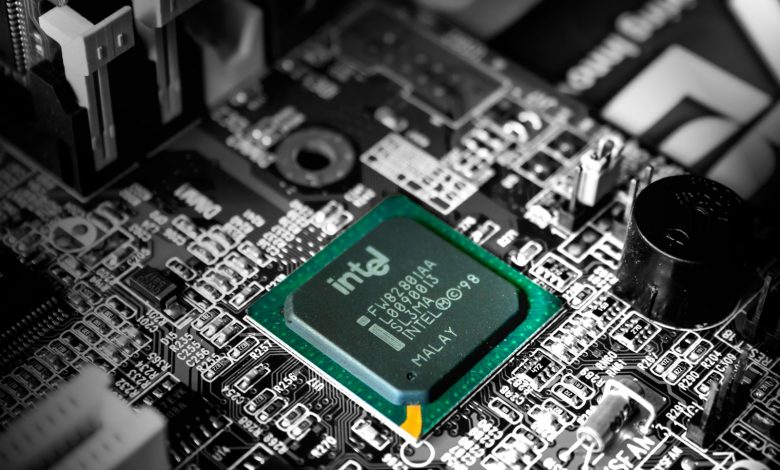
Discovery of New Intel CPU Vulnerability 'Reptar'
Despite ongoing efforts to secure computer systems, new vulnerabilities continue to emerge. Recently, Google's security researchers have identified a new CPU vulnerability that affects both Intel and AMD CPUs. This vulnerability is being tracked as "CVE-2023-23583", or also known as "Reptar". It's deemed to be critical as it can significantly imperil the security of a system by enabling unauthorized access, facilitating the execution of malicious code, and allowing system manipulation. The finding of this vulnerability is part of the rising trend in CPU vulnerabilities this year.
Identification of the vulnerability
The "Reptar" vulnerability was identified by Google's security team. Although the accelerated disclosure of CPU vulnerabilities can lead to faster mitigation strategies, it directly points to the burgeoning cyber threats and vulnerabilities in our digital era. "Reptar" was key-noted for enabling malicious entities the capability for widespread cyberattacks and significant disruptions. Its genius lies in its ability to compromise system security, invoke system manipulation, and allow unauthorized access to sensitive data.
Affected CPUs
This new "Reptar" vulnerability affects CPUs from both Intel and AMD. It is worrying to note that despite differences in the architecture and design of these CPUs, the vulnerability still managed to affect them both. Previously in August, notable vulnerabilities like Downfall (CVE-2022- for Intel CPUs and Zenbleed (CVE-2023- for AMD CPUs were reported, adding to the growing list of CPU vulnerabilities for the year.
Impact of the vulnerability
The impact of the "Reptar" vulnerability is profound. It can allow malicious code execution, unauthorized access to sensitive data and compromise the overall security of a system. Furthermore, it can be exploited to manipulate the system, making it an attractive exploit for cybercriminals. The exploitation of such vulnerabilities can lead to widespread cyberattacks, causing significant disruption and potential data loss. Firms are advised to update their systems promptly to mitigate the potential risk posed by these vulnerabilities.
Remediation Actions Taken by Intel
In response to the emerging threats posed by novel CPU vulnerabilities such as Reptar, Intel has taken swift action to safeguard its processors. As the risks associated with hardware vulnerabilities continue their upward trend, the necessity for coordinated and proactive measures such as these is essential. Through copious investment in CPU research and close collaboration for user safety, steps have been taken to mitigate these threats.
Release of Microcode Updates
Among other mitigating actions, the release of various microcode updates tailored for different processor families stands out. These updates mitigate the vulnerabilities, and they apply to different Intel product generations. Notable examples include the 12th Generation Intel® Core™ Processor Family (Mobile) with Mitigated Microcode Version 0x2b, the 4th Generation Intel® Xeon® Processor Scalable Family (Server) with Mitigated Microcode Version 0x2B000461, and the 13th Generation Intel® Core™ Processor Family (Desktop) with Mitigated Microcode Version 0x410E. These examples underscore the effort made by Intel to protect CPUs across various generations against potential exploits tied to Reptar and other vulnerabilities alike.
Advice for End Users
Alongside the release of microcode updates, Intel also encourages end users to regularly update their systems in a bid to enhance security and mitigate potential threats. Given the severity of Reptar and other similar vulnerabilities, the implementation of these updates is critical. Part of this updating process can be streamlined by utilizing solutions like Patch Manager Plus, an efficient tool for the automated updating of over 850 third-party applications.
Other Recent Intel CPU Vulnerabilities
Reptar is just one of many vulnerabilities that have been affecting Intel CPUs. Other recent noteworthy vulnerabilities include the Downfall exploit. In addition, Intel has disclosed 30 new security advisories due to the evolving nature of these threats.
Downfall Vulnerability Discovered by Google
Apart from Reptar, Google has also identified another significant vulnerability affecting Intel CPUs, known as Downfall (CVE-2022-. Major companies have responded to the recognition of this vulnerability by publishing advisories, thereby demonstrating their vigilance and proactive response to these kinds of cyber threats. The discovery of this additional vulnerability signifies the ongoing struggle to secure hardware, and the dynamic, evolving nature of these threats.
Disclosure of Additional 30 New Security Advisories by Intel
Alongside handling known vulnerabilities such as Reptar and Downfall, Intel has been actively identifying and disclosing potential new threats. The company has recently released 30 new security advisories, marking the latest effort in a series of ongoing measures to bolster the security of their CPUs against emerging threats. This proactive approach contributes to the hardening of system defenses and the mitigation of potential system exploitation.
Similar Vulnerabilities in Other Processors
Apart from Intel, AMD processors have also been targeted by similar vulnerabilities. These vulnerabilities can affect a wide range of systems, including those that host virtual machines. Among them, the recently disclosed CPU vulnerability, CacheWarp, is a cause for concern.
Disclosure of CacheWarp Vulnerability in AMD Processors
AMD processors have also been identified as being susceptible to a CPU vulnerability named CacheWarp. This vulnerability, like Reptar and Downfall in Intel processors, highlights the recurrent and ever-evolving trend of hardware vulnerabilities. The identification and understanding of these vulnerabilities across different processor designs significantly contribute to the collective knowledge and subsequent reinforcement of CPU security.
Potential Risks to Virtual Machines
The widespread vulnerability of CPUs, including Intel and AMD processors, carries potential threats to an array of systems, including virtual machines. Functioning as an emulation of a computer system, virtual machines rely heavily on CPU performance and security. Thus, CPU vulnerabilities like Reptar, Downfall, and CacheWarp can subsequently pose a significant threat to the integrity and security of virtual machines, leading to a cascade of implications in terms of data protection and overall system security.