Updating the Play Store, and your Android apps, in general, is crucial for your system's performance and security. A store update often includes improvements that enhance app stability, offer new features, and fix any present bugs or security vulnerabilities. By persistently maintaining your Play Store's up-to-date version, you are securing your device from emerging security threats and ensuring that your apps operate optimally.
Table of Contents
Addressing Security Risks
One prominent reason to keep your Play Store updated is to address and rectify potential security risks. The technology company Google often identifies apps that contain critical security vulnerabilities. In such scenarios, Google initiates important updates to tackle and fix these threats. Therefore, keeping your Play Store and apps updated helps protect your device from these vulnerabilities and enhances security.
Patching Bugs
Error fixes and bug patches are another central aspect of Play Store updates. If you need help installing apps, the problem may be due to your device's older Play Store version. A simple update may resolve the glitch and smooth your app installation process. Hence, when you update your Play Store and Android apps, you're not only expanding the apps' capabilities but also increasing your smartphone's overall functionality and stability.
Checking for Android Updates
Sometimes, the Play Store might only update your apps if your phone has the most recent version of Android. Every new Android update rectifies known issues, enhancing your system's stability. Therefore, it becomes essential to check for and install these Android updates. To do so, navigate to your phone's Settings > Software update. If there's a new update available and you have enough storage space, it will automatically install on your device. Doing so is another step towards fixing the issue of the Play Store not updating to the latest version.
Uninstall Play Store Updates
If your Play Store isn't updating to the latest version or is causing performance issues, uninstalling recent Play Store updates can help. Google updates the Play Store continuously in the background. While most of these updates function seamlessly, some might contain bugs that lead to numerous performance issues. Re-reverting the Play Store to its factory default version might resolve these errors and restore standard functionality.
1. Hold Down the Play Store Icon
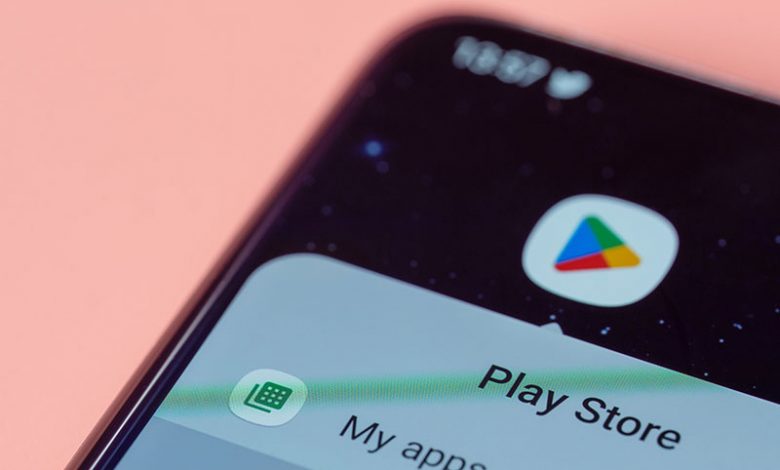
The uninstallation process begins by long-pressing the Play Store's app icon. Often located on the home screen, a long press on the app icon will open up an additional menu. Tap this menu's "info" (or 'i') icon.
2. Tap on the Uninstall Updates Option
Once you've opened the app's information, look for the three-dot menu icon. Clicking on it will open a drop-down menu. From here, select the "Uninstall updates" option. This command prompts the system to remove all updates installed on the Play Store after you initially installed it or the last time you reset it to its factory version.
3. Tap "OK" when a Warning Message Appears
A warning message will appear after tapping the "Uninstall updates" option. This message is to ensure you know that this action will revert the Play Store app to the version initially installed on your device. Proceed by tapping the "OK" button. After completing these steps, your device should automatically get the most recent version of the Google Play Store and install it in the background. That could resolve the issue of the Play Store not updating.
Update within the Play Store App
If the Play Store is not updating automatically, you can manually check for and initiate updates within the app. A few simple steps can guide you through the process and ensure your app marketplace remains up-to-date with the latest features and security patches.
1. Open the Play Store
Open the Google Play Store app on your Android device. It's usually found in your device's list of installed apps or on the home screen. The Google Play Store is your basic source for downloading new apps and updating existing ones; thus, keeping it updated is beneficial.
2. Tap Account Image and Settings
Once the Google Play Store is open, tap the profile icon at the top right corner. Once there, navigate to the "Settings" section. The Settings page contains abundant information about your account and several helpful features to manage your Play Store app.
3. Expand the "About" Section
In the Settings page, broaden the "About" section. This area contains details about the Play Store's version and allows you to check for updates.
4. Tap the "Update Play Store" Option
Under the "About" section, you'll see the 'Play Store Version.' Tap on 'Update Play Store.' An update will automatically download and install in a few minutes if an update is available. If your Play Store app is already up-to-date, a message will show stating, 'Google Play Store is up to date.' Regularly checking for Play Store updates ensures you get the best experience with the latest functionality and safety enhancements.
Clear Play Store Data
If the Play Store isn't updating to the latest version even after implementing the above fixes, clearing its data may solve the issue. Clearing an app's data means removing its files and settings, giving it a fresh start. This straightforward process is quick and can be very effective.
- Swipe Up Once to See All Apps
First, get an overview of all your installed apps. On most Android devices, you can reveal the all-apps screen by simply swiping up from the bottom edge of your screen.
2. Open Settings
With all apps displayed, locate and open the 'Settings' app. The Settings app will adjust most of your phone's system preferences.
3. Go to "Apps"
Inside 'Settings,' locate and tap on 'Apps' or 'Apps & notifications' or something similar. That will take you to a page listing all your installed apps.
4. Find and Open "Google Play Store"
Scroll through the list until you discover the 'Google Play Store app. Once you've found it, tap on it to open the app settings. Keep in mind this may be ordered alphabetically or by usage.
5. Open the "Storage" Option
In the Play Store settings, tap 'Storage & cache' or 'Storage,' depending on your device. This section provides information about the app's data and cache and allows you to clear either.
6. Tap "Clear Data"
Finally, tap the 'Clear storage' or 'Clear data' option. That will wipe the Play Store's data, resetting it to its default state. Doing this action may help to resolve the issue of the Play Store not updating to the latest version.
Regularly updating your Google Play Store is essential to maintain security, performance, and compatibility, as well as to access new features and adequately manage your installed apps. Always enable automatic updates for your device's Play Store and other apps to ensure a seamless and secure app experience.