
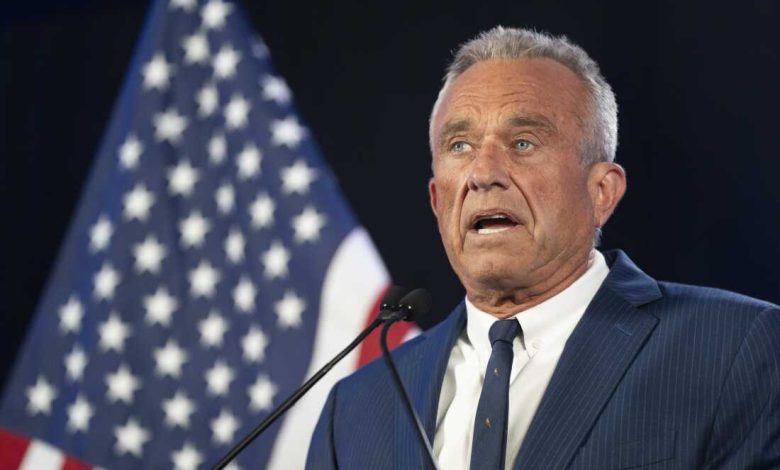
A federal judge in Massachusetts has issued a preliminary injunction against the Department of Health and Human Services (HHS), temporarily halting Secretary Robert F. Kennedy Jr.’s efforts to scale back the national childhood immunization schedule.
In a 45-page ruling issued on March 16, 2026, U.S. District Judge Brian Murphy stalled the administration’s January order which had reduced the number of universally recommended vaccines from 17 down to 11. The court found that the HHS likely violated the Administrative Procedure Act and the Federal Advisory Committee Act (FACA) by "bypassing established scientific protocols" and improperly reconstituting the committee that advises on vaccine policy.
Table of Contents
The Legal Challenge to “MAHA” Policy
The ruling comes in response to a lawsuit led by the American Academy of Pediatrics (AAP) and five other major medical organizations. The plaintiffs argued that Secretary Kennedy’s decision to fire the entire 17-member Advisory Committee on Immunization Practices (ACIP) in 2025 and replace them with hand-picked skeptics created a board that was not "fairly balanced," a key requirement under federal law.
When we reviewed the court filing, we found that Judge Murphy specifically highlighted a "technical, procedural failure" in how the new vaccine schedule was implemented. The judge noted that the administration could not circumvent decades of scientific practice "simply because they are following the President’s orders."
Key Vaccines Impacted by the Injunction
The court’s decision effectively restores the previous universal recommendations for several immunizations that the Kennedy-led HHS had sought to make optional or "high-risk only."
Immediate Impact on CDC Operations
The injunction has triggered an immediate administrative freeze within the Centers for Disease Control and Prevention (CDC). A two-day ACIP meeting scheduled for March 18–19 in Atlanta has been postponed indefinitely as the 13 members appointed by Secretary Kennedy are currently barred from taking official action.
In our observation of recent agency updates, the CDC website—which had recently been edited to include language casting doubt on the link between vaccines and autism—remains a point of contention. While the judge's current order focuses on the vaccine schedule and committee appointments, it signals a broader judicial skepticism toward the "Make America Healthy Again" (MAHA) policy shifts that lack traditional peer-reviewed backing.
Administrative Response and Future Appeals
The Trump administration has signaled it will aggressively appeal the ruling. HHS spokesman Andrew Nixon stated that the department "looks forward to this judge's decision being overturned," characterizing the injunction as an attempt to prevent the administration from governing.
"Today's ruling is a historic and welcome outcome for children," said Dr. Andrew Racine, President of the AAP, in a statement following the decision. He emphasized that the ruling ensures vaccine policy remains grounded in "science-based decision-making" rather than political ideology.
As of March 17, 2026, health departments in 30 states that had already begun transitioning to the AAP’s independent schedule are expected to maintain their current protocols, while states following the newer federal guidance may face logistical hurdles in reverting their public health recommendations.
Judge blocks RFK Jr. from scaling back childhood vaccine recommendations


Leave a Reply
Thank you for your response.
Please verify that you are not a robot.