Table of Contents
Booting from USB Installation Media Directly
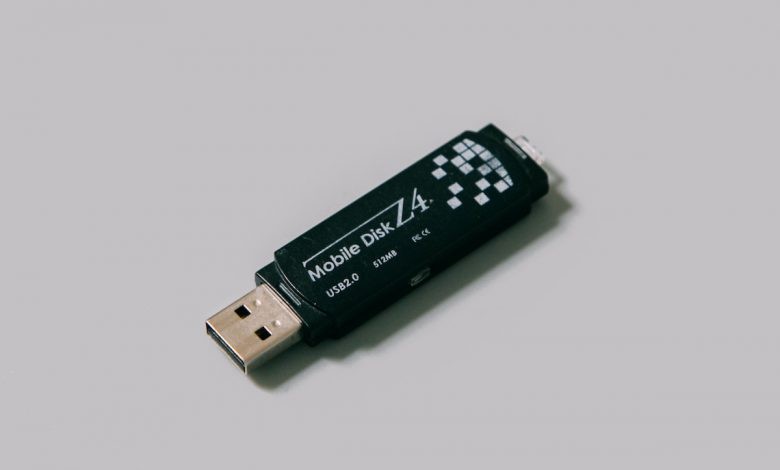
One of the most effective ways to fix the "We couldn't create a new partition" error is by booting from the USB installation media directly. Doing so allows Windows to identify the boot device accurately and prevents it from making the incorrect assumption that it is a hard drive. Here is a step-by-step guide on how to proceed:
Step 1: Quit the Windows Setup
You will have to leave the Windows Setup screen by restarting your computer. This will allow you to access the booting options for your computer, which cannot be accessed during the Windows setup process.
Step 2: Restart Your Computer
After exiting the Windows Setup screen, restart your computer and quickly press the required key (usually F8, F10, F11, or F12 - depending on your motherboard) to access the BIOS of your computer.
Step 3: Navigate to the Booting Options Screen
Now, you are required to access the Booting Options screen from the BIOS. Through this screen, you can change the boot order of devices connected to your computer. This is where you'll set the USB flash drive as the first boot device.
Step 4: Open the Boot Priority or 'Change Boot Order' Section
Next, look for the 'Change Boot Order' section or 'Boot Priority' menu within the Booting Options. Once you find it, use the arrow keys on your keyboard to navigate.
Step 5: Select the Non-UEFI Boot Drive
Once you're in the correct section, make sure to select the non-UEFI boot drive - the USB flash drive containing the Windows Setup. Use the arrow keys for toggling between the options and 'Enter' for selection.
Step 6: Start the Windows Setup
After you've set the USB drive as the primary boot device, save the changes made in BIOS, and restart your computer. Your computer will now boot directly from the USB drive, allowing you attempt the Windows installation again without the 'We couldn't create a new partition' error.
Use the Refresh Option
The "We couldn't create a new partition" error may occur due to a glitch during the Windows installation process. Refreshing the Windows installer setup can usually prevent these kinds of errors. This method involves short interruption of the installation process and refreshing all the drives before proceeding. Follow these steps:
Step 1: Detach All External Media Except the Windows Installation Drive
During the Windows installation process, it is advisable to disconnect all the external media devices attached to your PC with the exception of the Windows installation drive. This includes external hard drives, USB drives, SD cards and any USB peripherals such as Wi-Fi or Bluetooth adapters. This is to prevent any interference that may lead to the error.
Step 2: Start the Windows Installation Process
After disconnecting all other devices, start the Windows installation process as you usually would. Proceed through the steps until you reach the partition selection screen.
Step 3: Unplug the Windows Drive from the PC
If the error message appears at this point, carefully unplug the USB drive that contains the Windows installer from your PC. Remember to do this while the error dialog is still on the screen.
Step 4: Wait for 10-15 Seconds Before Plugging Back the Windows Installation Drive
Wait for around 10 to 15 seconds before reinserting the USB drive into the computer. This pause ensures that the operating system completely recognizes the removal of the device.
Step 5: Use the “Refresh” Button to Refresh All the Drives
After you reinsert the Windows installation drive, click on the "Refresh" button in the error dialog. This command refreshes the device list and usually corrects any errors that occurred during the installation process. Now, try to proceed with your Windows installation and the error should no longer appear.
Switch HDD Controller to IDE Mode
Another potential solution for the error "We couldn't create a new partition" involves changing the HDD Controller mode to IDE. This can help if you're encountering this error due to your system's inability to find the correct drivers when the controller mode is set to AHCI or RAID. Here is how you can do this:
Step 1: Close the Setup Window and Shut Down the System
Before making changes to your BIOS settings, ensure that all running applications and installations are properly closed. Shutdown your computer completely before proceeding to the next step.
Step 2: Restart the System and Access the BIOS Setting
Power on your computer, but rather than letting it boot up entirely, you should access the BIOS settings. Depending on your system's motherboard, this can be done by hitting either F1, F2, DEL, ESC or F10 as the computer boots up.
Step 3: Configure SATA to IDE Mode
Once inside the BIOS settings, look for the option that pertains to the hard drive configuration, you're looking for the AHCI or RAID mode. You need to switch this mode to IDE. If you're not familiar with the BIOS settings, refer to your motherboard's user manual or look for instructions online corresponding to your specific motherboard model.
Step 4: Save the Settings and Quit the BIOS Window
After switching the HDD Controller mode, ensure that you save these changes before exiting the BIOS settings window. This usually involves pressing the F10 key, but check your specific BIOS instructions to be sure.
Step 5: Restart the Computer Normally
After saving the changes and exiting BIOS, restart your computer as you would normally do. Now, your HDD controller is set to IDE mode and Windows should not give the error "We couldn't create a new partition" during the installation process.
Formatting the Disk and Creating a New Partition
If you're still encountering the "We couldn't create a new partition error", another more thorough solution involves using the diskpart utility to format your hard drive and create a new partition. This process is accomplished with the Command Prompt during the Windows installation process. Please remember, this process will erase all data on your hard drive, so make sure you have a backup of important data before you start.
Step 1: Start the Windows Installation Process Using the Bootable Windows USB/ DVD Drive
To begin, you'll need to kick off the Windows installation process. Insert your bootable Windows USB or DVD drive into the appropriate port and restart your computer. Ensure your BIOS settings are configured to boot from the USB or DVD drive.
Step 2: Tap the “Repair Your Computer” Button
As soon as you see the "We couldn't create a new partition" error, close the setup wizard and click on the "Repair your computer" option. This will lead you to a screen with several repair options.
Step 3: Click on the “Advanced Options”
On the next screen, select the "Advanced options". This will present additional recovery tools for you to use.
Step 4: Choose the “Command Prompt” Option
From the list of advanced options, choose "Command Prompt" to gain access to the terminal. You may need to select the administrative account and enter the password.
Step 5: Execute Various Commands to Access Diskpart Utility, List the Disks, Clean the Disk, Create a New Partition, Format it, and Assign Command to the Partition
In the Command Prompt window, you'll type a series of commands to perform necessary tasks. Here are the commands you need to execute:
- Type "start diskpart" and hit Enter to open the Diskpart utility.
- Type "list disk" and hit Enter to display a list of all the hard drives connected to your computer.
- Type "select disk X", replacing 'X' with the number of your hard disk, and hit Enter.
- Type "clean" and hit Enter. Be careful as this command will completely wipe out the hard drive.
- Type "create partition primary" and hit Enter to create a new partition.
- Type "active" and hit Enter to make the new partition active.
- Type "format fs=ntfs quick" and hit Enter for a quick format of the new partition.
- Type "assign" and hit Enter to assign a driver letter to the partition.
After completing these commands, type "exit" to close the Command Prompt and restart the Windows installation process. Your error should now be fixed and you can continue with your install.