Table of Contents
Introduction
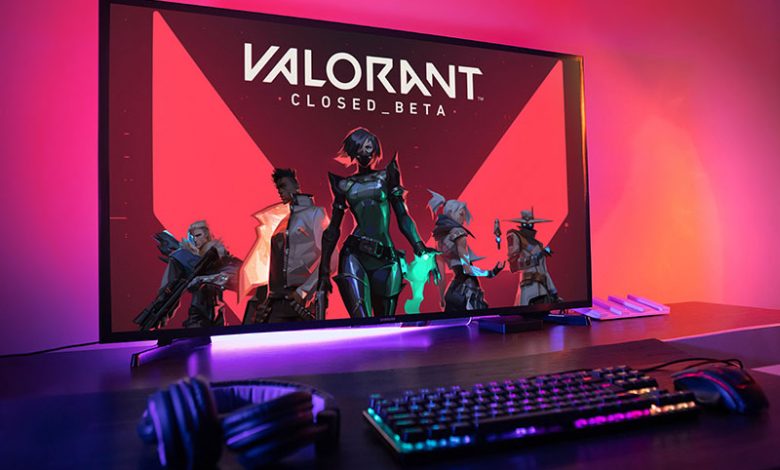
The Riot Client, also known as the Riot desktop client, is a built-in hub used for launching all games developed by Riot Games. This includes the popular competitive shooter game VALORANT. As a hub, it provides a seamless experience for players, allowing them to switch between different games, check turnaments, view friends' activities and so on. Unfortunately, there are times when the Riot Client may not launch, causing challenges for players who wish to enjoy their favorite Riot Games.
Description of Riot Client
The Riot Client acts as the central command center for all Riot Games' titles. It is a dedicated application that comes with the installation of any Riot Games title. The client is the platform's primary interface, commanding other processes, such as the actual launching of a specific game, like VALORANT, updating the games, assisting in matchmaking, and more. If the Riot Client fails to launch, games associated with it, such as VALORANT, would also not run, effectively barring players from accessing them.
General causes of non-launching issues
There is a multitude of reasons why the Riot Client might not launch. Certain instances include encountering black screens, bugs, or crashes which can prevent VALORANT from launching, rendering gamers back to their home screens. Faults within the game files, such as corrupt or missing data components, can also contribute to this issue. Often, the failure to launch is promptly resolved by the developers, especially when a significant number of players faces the problem. They conduct patches or updates to eradicate any error causing the malfunction. However, if it affects only a small number of players, then players need to troubleshoot the problem personally.
Precautions and Preliminary Steps Before Implementing Fixes
Before attempting to resolve the issue of the Riot Client not opening, players should not overlook essential preliminary steps. Conducting these steps at times may solve the problem without the need to perform time-consuming actions. In a matter of general guidance, it's advisable to ensure the graphics drivers and windows operating system are updated, close unnecessary background programs, and temporarily disable anti-virus software.
Updating Graphics Driver
Update the Graphics Processing Unit (GPU) drivers before making drastic changes to the system or the Riot Client. The process is relatively straightforward. Simply perform a Windows search for 'Update' and press Enter, or go to Start > Settings > Update & Security to find the updates option. Click 'Check for updates' and wait for the process to complete. If there are optional updates available, install them and then restart your system. However, bear in mind that the Windows update feature may not always find the latest drivers for your graphics card. In such cases, visiting your device's manufacturer's website and downloading drivers from there, or using a dedicated automatic driver updater like DriverFix, might be the better option.
Updating Windows Operating System
Just as with updating your GPU drivers, it is also critical to ensure that your Windows Operating System is updated. To do this, navigate to the Windows Settings menu then select Update & Security. You can then check for updates and implement any that are available.
Closing Unnecessary Background Programs
At times, background programs could interfere with the Riot Client, causing it not to launch. Therefore, prior to initiating more sophisticated methods of solving the problem, it is recommended to close any unnecessary programs running in the background.
Temporarily Disabling Anti-Virus Program
Anti-virus software can sometimes incorrectly identify certain gaming applications as potential threats and block them, leading to issues such as the Riot Client not launching. As a precaution before troubleshooting, try disabling your anti-virus software temporarily. Remember to re-enable it again once you're done.
Method 1: Force Close Riot Client via Task Manager
One quick and simple method to resolve the Riot Client not opening is by force-closing it through the Task Manager. This step can resolve instances where the client may already be running in the background but unable to load properly on the screen.
Closing Riot-related Processes in Task Manager
To force close the Riot Client via Task Manager, follow these steps:
- Open the Task Manager. This can be done by typing "Task Manager" into the Windows search bar or pressing Ctrl+Shift+Esc. Consider pinning the Task Manager to your taskbar for easier access in the future. This can be done by right-clicking the Task Manager icon and selecting 'Pin to taskbar'.
- Navigate to the "Processes" tab. Here you'll see a list of all applications currently running on your computer, including those operating in the background.
- Scroll through the list and find 'Riot Client' under 'Background Processes'. You can sort the list either by name or RAM usage to find it easier.
- Right-click on 'Riot Client' and select 'End Task'. This force closes the application.
After performing these steps, try relaunching the Riot Client. If it was indeed already running but not visible, force closing the application and re-opening it often resolves the problem.
Method 2: Run Riot Client in Compatibility Mode and as an Administrator
In some instances, the Riot Client may fail to launch due to insufficient permissions or compatibility issues with the current version of Windows. A quick fix for this problem is to run the Riot Client as an Administrator and change the compatibility mode settings.
Running Riot Client as an Administrator
Running the Riot Client as an administrator can grant it full access to the system and possibly bypass any restrictions imposed by your operating system. Follow these steps to run the Riot Client as an administrator:
- Locate the Riot Client on your desktop. If you don't have a desktop shortcut, navigate to your Riot Client folder.
- Right-click on the Riot Client and choose 'Properties'.
- Access the 'Compatibility' tab.
- Ensure that the 'Run this program as an Administrator' option is checked.
- Click Apply and then OK.
After these steps, try running the Riot Client again to see if the problem has been resolved.
Running Riot Client in Compatibility Mode for Different Windows Versions
The Riot Client might fail to open due to compatibility issues with your current version of Windows. In cases like this, changing the compatibility settings to run the program compatible with an older version of Windows might help. To change the compatibility settings, follow these steps:
- Right-click the Riot Client and go to Properties.
- Go to the 'Compatibility' tab.
- Tick the "Run this program in compatibility mode for" option and choose your version of Windows from the drop-down menu. Try selecting an older version of Windows if the current one does not work.
- Tick the "Disable full-screen optimization" option.
- Click Apply and then OK.
This method may resolve any compatibility issues, allowing the launch of the Riot Client.