
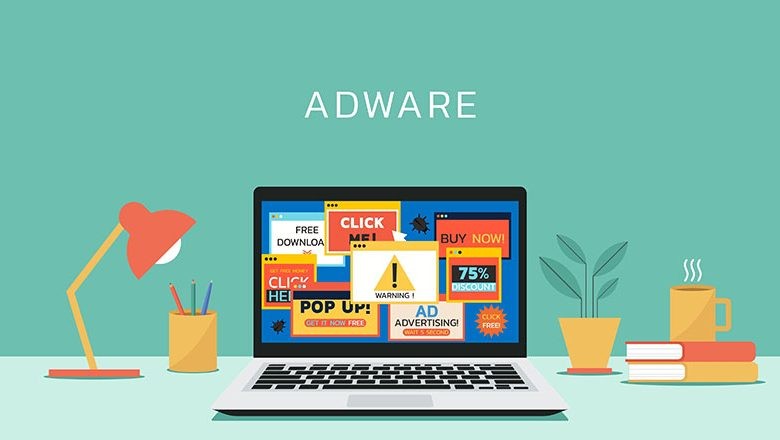
The "COMPUTER HEALTH IS CRITICAL" message is a false error that shows up when your system may have specific adware-type applications. These applications, including Games Desktop, MovieDea, and Desktop-play, claim to enhance internet browsing, but these promises must be more accurate. The adware gathers personal data, delivers intrusive online ads, and generates fake error messages instead of improving your browsing experience. The error message suggests that your system has faced an error and the computer has stopped working to prevent damage and data loss. It then encourages users to contact a 'Microsoft Certified Technician' via the provided telephone number 1-855-210-6024. However, this information is false, and ignoring the error message is highly advisable. Instead, users should focus on eliminating the potentially unwanted program generating the error message.
Table of Contents
How did Adware Install on my Computer?
Adware typically installs on your computer through the so-called 'bundling' software marketing method. This method involves the stealthy installation of unwanted programs alongside chosen software or apps, often without the user's permission. Many users need to pay more attention when downloading and installing software and overlook the details, allowing these rogue applications to slip through. Developers often hide these potentially unwanted programs (PUPs) in the installation process's 'Custom' or 'Advanced' settings. The developers' primary aim is revenue generation, with little regard for users' security.
How to Avoid Installing Potentially Unwanted Applications?
To prevent adware infections, users must be vigilant during software downloading and installation. Choosing 'Custom' or 'Advanced' settings and observing each step can help spot and reject unwanted additions. Additionally, users should never accept offers to install additional programs, as adware-type applications often come bundled with other software. Opting out of third-party applications can minimize the risk of inadvertently installing these potentially unwanted programs.
Steps to remove the adware:
STEP 1: Uninstall adware using Control Panel
Start by searching for and eliminating invasive applications through the system's control panel.
Uninstalling adware from the control panel is relatively straightforward and can be done using these general steps:
- Open Control Panel: On Windows, click the "Start" button and then select "Control Panel."
- Navigate to Programs and Features: In the Control Panel, find and click on the "Programs" or "Programs and Features" option.
- Find the Adware: Look through the list of installed programs to find the adware you want to remove. The programs are usually listed alphabetically.
- Select Uninstall: Once you locate the adware, click on it to select it. Then, click the "Uninstall" or "Change" button at the top of the list.
- Follow the Uninstall Wizard: An uninstall wizard will typically guide you through the process. Follow the prompts to proceed with the uninstallation.
- Complete the Uninstall: Depending on the adware, you might need to confirm the uninstallation and provide additional information. Follow the prompts until the process is complete.
- Restart if Required: After the uninstallation is complete, you might be prompted to restart your computer. This is common to ensure that all changes take effect.
It's important to note that the steps might vary slightly based on your Windows version and the specific adware you're dealing with. Also, ensure that you only uninstall programs you are certain are adware or unwanted software to avoid removing essential software.
Keep in mind that not all adware might be listed in the control panel. If you're experiencing persistent issues, it's recommended to use reputable anti-malware or adware removal tools to ensure a thorough clean-up.
STEP 2: Remove adware from Internet Explorer and Microsoft Edge
Proceed to your Internet Explorer/Microsoft Edge browser to remove any add-ons or extensions associated with the adware.
For Internet Explorer:
- Open Internet Explorer: Launch Internet Explorer on your computer.
- Access Manage Add-ons: Click on the gear icon in the upper-right corner and select "Manage add-ons."
- Disable or Remove Suspicious Add-ons: In the Manage Add-ons window, review the list of add-ons. If you see any suspicious or unfamiliar add-ons, select them and click "Disable" or "Remove."
- Reset Internet Explorer Settings: To further ensure removal, you can reset Internet Explorer settings. Click on the gear icon again, select "Internet options," go to the "Advanced" tab, and click "Reset." Follow the prompts to reset your browser settings.
- Scan for Malware: Run a reliable anti-malware or anti-adware scan to detect and remove any remaining malicious elements.
For Microsoft Edge:
- Open Microsoft Edge: Launch Microsoft Edge on your computer.
- Access Extensions: Click on the three horizontal dots (ellipsis) in the upper-right corner and select "Extensions."
- Remove Suspicious Extensions: Review the list of extensions. If you find any suspicious ones that you didn't install, click on them and then select "Remove."
- Clear Browsing Data: Click on the three horizontal dots again, then select "Settings." Under "Privacy, search, and services," click on "Choose what to clear" under the "Clear browsing data" section. Select the data you want to clear, including cached data and cookies, and click "Clear."
- Reset Microsoft Edge Settings: To further ensure removal, you can reset Microsoft Edge settings. In the Settings menu, scroll down to the "Reset settings" section and click "Restore settings to their default values."
- Run Anti-Malware Scan: Run a reliable anti-malware or anti-adware scan to identify and remove any remaining adware.
STEP 3: Remove delusive plug-ins from Google Chrome
Next, navigate to your Google Chrome browser to purge any suspicious plug-ins related to the adware.
To remove adware from Google Chrome, follow these steps:
- Remove Suspicious Extensions: Open Google Chrome. Click on the three vertical dots in the upper-right corner and select "Extensions." Remove any unwanted or suspicious extensions by clicking the "Remove" button next to each extension.
- Reset Chrome Settings: Click on the three vertical dots again and select "Settings." Scroll down and click on "Advanced" to expand the advanced settings. Scroll down to find the "Reset and clean up" section and click "Restore settings to their original defaults." Confirm the reset by clicking the "Reset settings" button.
- Clear Browsing Data: Go to "Privacy and security" on the left sidebar in the Chrome settings. Click on "Clear browsing data." Select the data you want to clear (e.g., browsing history, cookies, cached images and files) and choose the time range. Click the "Clear data" button.
- Check Search Engine and Homepage: In the Chrome settings, under "Search engine," make sure your preferred search engine is selected. Check the "On startup" section to ensure that your preferred homepage is set.
- Check Site Permissions: Go to "Privacy and security" in Chrome settings and click "Site settings." Review the permissions granted to websites. Remove any suspicious or unnecessary permissions.
- Run a Scan for Malware: It's a good idea to run a comprehensive anti-malware scan using reputable software to ensure no traces of adware or malware remain on your system.
STEP 4: Remove dubious add-ons from Mozilla Firefox
Lastly, head to your Mozilla Firefox browser to uninstall any doubtful add-ons linking to the adware.
To remove adware from Mozilla Firefox, follow these steps:
- Remove Suspicious Add-ons: Open Mozilla Firefox. Click on the three horizontal lines in the upper-right corner and select "Add-ons." In the "Extensions" or "Themes" section, remove any unwanted or suspicious add-ons by clicking the "Remove" button.
- Reset Firefox Settings: Click on the three horizontal lines again and select "Help." Choose "Troubleshooting Information." Click the "Refresh Firefox" button to reset Firefox to its default state.
- Clear Browsing Data: Click on the three horizontal lines and select "Options." Go to the "Privacy & Security" tab on the left. In the "Cookies and Site Data" section, click "Clear Data" and choose the data you want to clear. Click the "Clear" button.
- Check Default Search Engine and Homepage: Go to the "Search" tab on the left in the Firefox options: Ensure that your preferred search engine is selected as the default. Go to the "Home" tab on the left and check that your preferred homepage is set.
- Check Permissions: Go to the "Privacy & Security" tab and scroll down to the "Permissions" section. Review and manage permissions granted to websites.
- Run a Scan for Malware: Perform a thorough anti-malware scan using reputable software to ensure your system is clean from adware or malware.
After completing these steps, your web browsers should be adware-free. Be cautious when installing new extensions or software and only download from trustworthy sources to prevent future adware infections. Plus, running a comprehensive anti-malware scan using reputable software is a good idea to ensure that any remaining adware or traces of it are entirely removed from your system.