Table of Contents
Introduction to KeRanger Ransomware
KeRanger ransomware emerged as a significant threat in early March 2016, marking a disturbing milestone in the cyber threat landscape. It is recognized as the first ransomware attack that was capable of successfully infiltrating and locking files on the Mac OSX operating system. Unlike traditional forms of ransomware that targeted Windows-based systems, KeRanger showed that even the reputedly secure Mac environment was not immune to this form of cyber extortion.
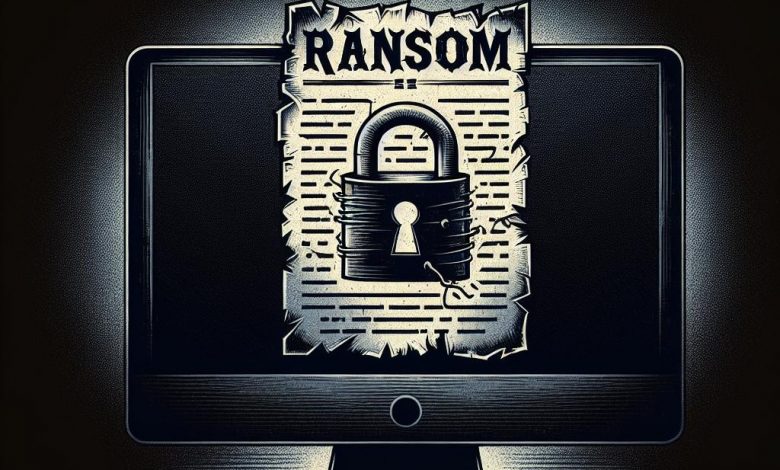
The malware operates by stealthily infiltrating a user's computer system, where it then initiates its malicious encryption routine. By doing so, KeRanger effectively renders a wide array of stored files inaccessible to the user. The only way to regain access to the encrypted files, according to the ransom demands, is through the payment of a ransom, typically solicited in the form of cryptocurrency such as Bitcoin. This insidious strategy puts immense pressure on the victims, who stand to lose personal and potentially valuable data if they do not comply with the perpetrator's demands.
The KeRanger ransomware was cunningly distributed via a tampered version of the Transmission BitTorrent client, a popular and widely used peer-to-peer file-sharing application. In a particularly devious move, hackers compromised the official Transmission website and replaced the legitimate download of the Transmission 2.90 installer with a Trojanized version containing the KeRanger ransomware. This version was alarmingly signed with a valid Mac app development certificate, enabling it to bypass Apple’s Gatekeeper security feature designed to block software of uncertain origin or that has been tampered with. This infiltration technique represented a new level of sophistication in ransomware distribution and heightened concerns among the cyber security community regarding the safety of commonly trusted software distribution platforms.
Repercussions from the KeRanger attack were quickly addressed. Security researchers at Palo Alto Networks identified the threat, and Apple promptly revoked the compromised developer certificate and updated its XProtect antimalware system to prevent the execution of the infected Transmission version. The Transmission project issued emergency updates – versions 2.91 and then 2.92, the latter of which included a removal tool for the ransomware. Despite swift action to mitigate the immediate threat, KeRanger managed to send a clear message to Mac users: no operating system is safe from the reach of ransomware.
Mechanism of Encryption and Ransom Demand
The KeRanger ransomware is particularly insidious due to its encryption mechanism and the calculated manner in which it carries out its attack. Utilizing 2048-bit RSA encryption, a robust and secure method, it ensures that files become nearly impenetrable without access to the private decryption key. Each file that falls victim to KeRanger's encryption routine is conspicuously marked with a ".encrypted" file extension, signaling that the user's data has been compromised and is no longer accessible.
What's chilling about KeRanger is its stealthy approach to infection. Once it gains entry through the compromised Transmission BitTorrent client, the ransomware lays dormant for a three-day period, effectively hiding its presence. This delay tactic not only makes detection more difficult but also increases the likelihood that the user will continue to use their computer normally, leading to potential encryption of additional files that are created or saved during this dormancy.
After the three-day incubation period has elapsed, KeRanger proceeds to encrypt the user’s data. Following this, it presents the user with a ransom demand. Victims are informed that to unlock their files, they must pay a ransom, typically 1 Bitcoin, which was valued around $410.3 at the time of the attack. The demand for payment through the Tor network adds another layer of anonymity for the attackers, making it challenging for authorities to trace the cybercriminals responsible for the malware.
KeRanger is programmed to create a text file named README_FOR_DECRYPT.txt within folders that contain encrypted files. This file explains the nature of the encryption and details step-by-step instructions for payment. The developers of KeRanger even provided a perverse form of customer service, allowing users to decrypt a single file for free, presumably to demonstrate the efficacy of the decryption tool and to coerce the user into paying the ransom for the rest of their files.
Before tools were developed to counteract its effects, the ransomware left victims with little option to decrypt files without the private key, which was securely stored on the attackers' remote servers. This unfortunate reality meant that unless victims retained a recent backup of their data, they faced either the loss of their files or the prospect of paying the ransom.
KeRanger bears resemblance to other forms of crypto-ransomware infections such as CryptoLocker, TeslaCrypt, and Locky. Although these strains of ransomware may differ in terms of their encryption algorithms and demanded ransom amounts, they share similar distribution methods. These include disguising themselves within fake software updates, using infectious email attachments, and proliferation through peer-to-peer networks. The common advice to avoid falling victim to such ransomware is to exercise caution with downloads from untrusted sources, keep software up-to-date, and maintain a robust security solution that incorporates anti-spyware or antivirus capabilities.
Prevention and Removal
In dealing with KeRanger and similar ransomware threats, prevention is paramount. Users need to exercise extreme caution when downloading files, particularly from P2P networks like BitTorrent, or when opening email attachments from unknown or suspicious sources. Cybercriminals often use these avenues to disseminate malware by disguising it as legitimate software or essential documents.
Keeping software updated is another critical preventive measure against ransomware infections. Software updates often include patches for security vulnerabilities that ransomware and other types of malware exploit. Therefore, ensuring that all software, especially operating systems and antivirus programs, are up-to-date is an essential step in defending against potential attacks. Additionally, the use of reputable antivirus and anti-spyware suites can offer real-time protection and detect malicious attempts to compromise systems.
When it comes to handling an infection, experts strongly advise against paying the ransom. There is no guarantee that paying the ransom will result in decrypted files, and capitulating to the demands of cybercriminals only funds and incentivizes further illicit activities. Moreover, paying does not address the root of the compromise, and infected systems could still be vulnerable to future attacks.
Security researchers, like those from Bitdefender, have analyzed KeRanger and claim that it is likely a rewrite of existing ransomware known as Linux.Encoder. This insight into KeRanger's lineage can help both in understanding its behavior and potentially in the development of tools to combat it. In the event of a KeRanger infection, the ideal recourse is to restore the system or affected files from a secure backup, thereby nullifying the encryption leverage held by the attackers.
Due to the rapid response from researchers and Apple, who revoked the abused security certificate, KeRanger was halted before it could become widespread. It serves as a compelling case for rapid reaction and coordinated efforts in the cybersecurity community and among software providers and distributors.
If users suspect a KeRanger infection, they should refrain from paying the ransom and instead seek out assistance from security professionals who may provide updated removal instructions or decryption tools as they become available. Regular backups and preventative measures remain the most effective defense against ransomware threats like KeRanger.
Technical Information and Remediation Steps
Upon successfully infiltrating Mac OS X systems, KeRanger sought out an extensive array of file types to encrypt. This range included common formats such as documents, images, videos, and archives, as well as database, email, and source code file types. In all, the ransomware was programmed to target formats like .jpg, .doc, .xls, and numerous other extensions, adding ".encrypted" to each affected file and presenting users with the daunting task of recovery.
For those impacted by KeRanger, a crucial step in the remediation process involves upgrading the Transmission BitTorrent client to version 2.92. Doing so is essential because this version contains specific measures designed to detect and eliminate KeRanger from the system. Users can access the official Transmission BitTorrent website to acquire the latest version, ensuring they obtain the update from a legitimate and secure source.
The necessity of upgrading to version 2.92 extends to users with version 2.91 installed on their systems. While version 2.91 was not infected with KeRanger, it lacked the capability to detect and remove the ransomware if it were present. Hence, the update to 2.92 is strongly advised for all users to ensure the security and integrity of their systems.
The official Transmission BitTorrent website served as a critical resource during this cyber crisis. It provided users with vetted information and facilitated access to the clean, malware-free version of the software. In light of such threats, it becomes evident that users need to depend on official websites and direct communication from software developers to stay informed about potential risks and the corresponding countermeasures.
Although software updates like version 2.92 helped in removing KeRanger, these steps, unfortunately, did not offer a solution to decrypt files affected by the ransomware. Recovery of encrypted data after a KeRanger infection generally relied on the availability of backups, emphasizing the importance of regular data backups as part of a comprehensive cybersecurity strategy.