
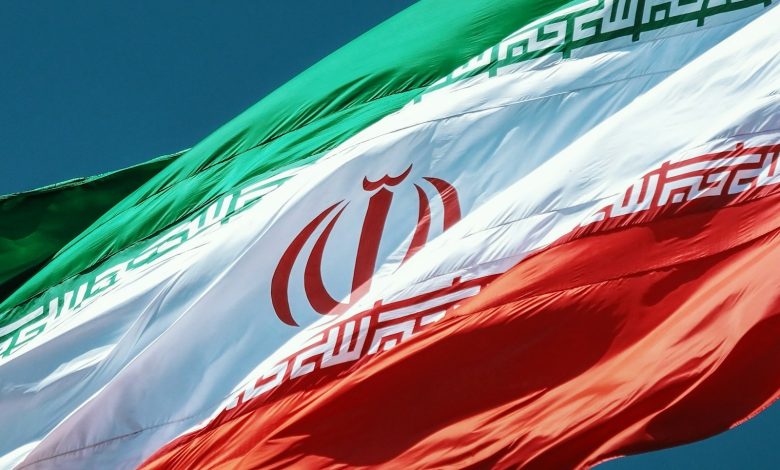
WASHINGTON — In what represents a significant escalation of the ongoing regional conflict, Iranian-linked cyber actors have executed a massive digital assault on Stryker, a Michigan-based Fortune 500 medical technology giant. The attack, which began on March 11, 2026, marks the first major breach of a domestic U.S. critical infrastructure entity since the expansion of military hostilities between Washington and Tehran.
The breach has forced the company, which serves over 150 million patients annually, to disconnect its global network from the internet, disrupting operations across 79 countries.
Table of Contents
The Breach: 50 Terabytes and Remote Device Wiping
The technical timeline of the incident, it was found that the disruption began shortly after 04:00 GMT on Wednesday. Unlike traditional ransomware attacks that seek a financial payout, this operation appears strictly retaliatory and destructive.
A group identifying itself as Handala, a known Iranian-aligned hacktivist collective, claimed responsibility for the attack. In a statement posted to their Telegram channel, the group asserted they had extracted 50 terabytes of data and utilized Microsoft Intune—a cloud-based endpoint management tool—to remotely wipe over 200,000 devices, including laptops and mobile phones used by Stryker staff.
Key Incident Metrics:
-
Data Exfiltrated: 50 Terabytes (claimed).
-
Scope: 79 countries affected, with significant outages in the U.S. and Ireland.
-
Tactic: Remote device wiping via compromised administrative credentials.
-
Stated Motive: Retaliation for a February 28 missile strike on a school in Minab, Iran.
The Hidden Hand: APT35 and the IRGC
While "Handala" provides the public face for the operation, U.S. intelligence agencies and firms like Mandiant and Microsoft have linked the technical signatures of the attack to APT35 (also known as Charming Kitten or Mint Sandstorm).
The APT35 (Advanced Persistent Threat) is a hacking group that is believed to originate from Iran, specifically operating under the direction of the Islamic Revolutionary Guard Corps (IRGC). In our observation of their recent activity, the group has evolved from simple phishing into a highly structured "bureaucracy of cyberwar."
Recent intelligence filings indicate that APT35 has shifted from long-term espionage to "loud" destructive attacks. This shift is designed to signal to the American public that the costs of the conflict in the Middle East will be felt directly within the domestic U.S. private sector.
Precautions: Hardening the Healthcare Perimeter
The Stryker incident highlights a "troubling trend" where civilian medical providers are becoming front-line targets. In our review of the latest CISA (Cybersecurity and Infrastructure Security Agency) advisories, we have identified essential precautions for U.S. organizations.
1. Secure Cloud Management Tools
The use of Microsoft Intune to wipe devices suggests that the attackers gained "God-mode" access through credential theft.
-
Implementation: Organizations must mandate hardware-based Multi-Factor Authentication (MFA) for all administrative accounts. Legacy "SMS-based" MFA is no longer sufficient against APT35's social engineering tactics.
2. Network Segmentation and “Wiper” Defense
To prevent a breach in one department from collapsing a global network, organizations should implement strict internal firewalls.
-
Action: Isolate Operational Technology (OT)—such as robotic surgery systems and diagnostic equipment—from the general corporate IT network.
3. Immediate “Clean-Room” Backups
Traditional backups are often encrypted or deleted by state-sponsored actors before they launch a wiper.
-
Strategy: Maintain "immutable" or offline backups. These are copies of data that cannot be changed or deleted even by an administrator, providing a "gold image" for recovery after a mass-wipe event.
The Strategic Outlook
The attack on Stryker is likely a precursor to a broader campaign. As of March 13, reports are emerging of similar "probing" activity against U.S. airports and energy grids. The objective of the IRGC-backed actors is not to win a digital war, but to erode American domestic resolve by targeting the safety and reliability of everyday services.


Leave a Reply
Thank you for your response.
Please verify that you are not a robot.