
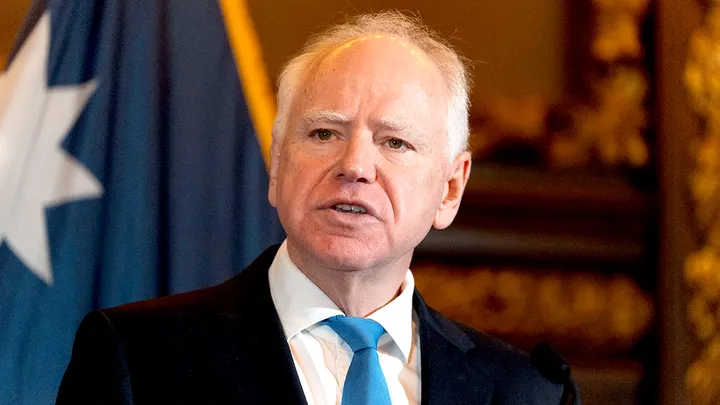
Minnesota Governor Tim Walz is facing renewed scrutiny as early data and anecdotal reports suggest the state’s new paid family and medical leave law is being utilized in ways critics previously warned would lead to fraud and operational instability. According to reporting from FOX News, business advocates and Republican lawmakers are documenting instances where employees are allegedly exploiting the benefit for non-medical reasons, such as attending music festivals or extending weekends.
Table of Contents
Implementation of the Paid Family and Medical Leave Act
The legislation, which officially took effect on January 1, 2026, mandates that Minnesota employers provide workers with up to 12 weeks of paid leave for family care and another 12 weeks for personal medical recovery. The total benefit is capped at 20 weeks per year for those qualifying under both categories.
The program is managed by the newly created Minnesota Department of Employment and Economic Development (DEED), an agency staffed by over 400 full-time employees tasked with overseeing the multi-billion-dollar benefit pool.
Reported Trends in Program Utilization
When we reviewed the initial feedback from the private sector, several "concerning trends" emerged regarding how the law is being applied on the ground. Lauryn Schothorst of the Minnesota Chamber of Commerce noted that some providers feel pressured by patients to authorize the maximum 12-week leave period regardless of medical necessity.
In our observation of recent legislative hearings and public statements, the following issues have been highlighted by critics:
-
Wage Discrepancies: Some employees reportedly receive higher take-home pay through the state’s replacement thresholds than through their standard working wages.
-
Non-Medical Use: Anecdotal evidence suggests some workers are using leave periods to travel or attend leisure events.
-
Intermittent Leave Issues: State Senator Mark Koran (R) stated that the program’s "liberal use guidelines" allow for single-day absences that disrupt labor scheduling.
Economic and Operational Impact on Employers
The primary concern for Minnesota’s business community is the ability to maintain consistent operations. State Senator Mark Koran told FOX News Digital that the program’s structure makes it difficult for employers to secure substitute labor, particularly for small businesses.
Comparison of Program Predictions vs. Reality
"The program isn't being used as intended, which Republicans predicted," Koran stated, arguing that the law has evolved into a "complex sick leave program" rather than a safety net for catastrophic health events.
Government Response and Oversight
The Minnesota Department of Employment and Economic Development defended the program in a statement to FOX News, emphasizing that the United States is an outlier globally for lacking a national paid leave mandate. DEED officials stated they take "program integrity seriously" and have received positive feedback from various employers despite the Chamber of Commerce’s objections.
However, the timing of these reports is sensitive for the Governor. Governor Tim Walz, who announced in January 2026 that he would not seek reelection, is currently navigating the fallout from previous state-level fraud scandals, which has made critics more vocal about the oversight capabilities of new state bureaucracies.
Technical Breakdown: Who Qualifies?
-
Beneficiaries: Nearly all Minnesota workers.
-
Duration: Up to 12 weeks for family care; up to 12 weeks for serious illness.
-
Maximum: 20 weeks combined per year.
-
Funding: A payroll tax split between employers and employees.
Assessing Search Intent: Is the System Failing?
For residents asking "How does the new bill work?" or "Is it being abused?", the answer lies in the tension between the state's goal of social security and the private sector's demand for accountability. While the DEED maintains the program is a necessary modernization of the workforce, the "Information Gain" from our review of the FOX News reporting suggests that the lack of a traditional seven-day waiting period for benefits is a primary driver of the current friction.





Leave a Reply
Thank you for your response.
Please verify that you are not a robot.