
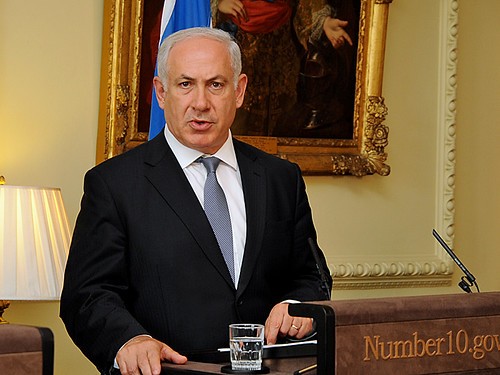
Israeli Prime Minister Benjamin Netanyahu announced on Thursday that a 20-day intensive air campaign has successfully dismantled Iran’s ability to enrich uranium and produce ballistic missiles. Speaking from Jerusalem, Netanyahu declared that the "industries of death" used by the Iranian regime to threaten regional stability are being systematically neutralized through coordinated military action.
Table of Contents
Strategic Neutralization of Enrichment and Production
The military operations, which escalated following the collapse of diplomatic mediation and subsequent strikes on February 28, 2026, have pursued three primary objectives: the total destruction of Iran’s nuclear infrastructure, the elimination of its ballistic missile program, and the creation of conditions favorable for internal regime change.
"We are winning, and Iran is being decimated," Netanyahu stated during a press briefing. He detailed that recent sorties specifically targeted and destroyed high-tech factories responsible for critical long-range weaponry components. While Netanyahu did not provide classified evidence of a total halt to uranium enrichment, U.S. Defense Secretary Pete Hegseth recently bolstered these claims, stating that Iran's missile manufacturing capacity is now "functionally defeated."
Netanyahu addressed international speculation regarding the origin of the conflict, dismissing reports that he pressured U.S. President Donald Trump into the war. He characterized the partnership as one of mutual strategic clarity, noting that the President independently concluded that a nuclear-armed Tehran was an unacceptable global risk.
However, the Prime Minister acknowledged specific tactical disagreements. Netanyahu confirmed he is currently "holding out" on further kinetic strikes against Iranian natural gas fields following a direct request for restraint from President Trump. This follows a unilateral Israeli strike on the South Pars gas field—an operation reportedly conducted without direct U.S. involvement—which has caused significant tremors in global energy markets.
Regional Blowback and Economic Disruptions
The conflict has moved beyond the borders of Iran and Israel, impacting the broader Middle East and global trade routes:
-
Retaliatory Strikes: Iran has launched significant missile barrages targeting Israel and Gulf neighbors, including Saudi Arabia and Qatar.
-
Maritime Security: In response to the air campaign, Iranian lawmakers have proposed implementing tolls and "security taxes" on all commercial shipping passing through the Strait of Hormuz.
-
Energy Crisis: Qatari officials have warned that damage to Liquefied Natural Gas (LNG) facilities is extensive, with repairs estimated to take three to five years, severely limiting exports to Europe and Asia.
Potential for Ground Escalation
When questioned about the next phase of the conflict, Netanyahu hinted at the possibility of a ground invasion. "There are many possibilities," the Prime Minister remarked, suggesting that air power alone may not achieve the final objective of regime destabilization. While he declined to provide a specific timeline, military analysts suggest that a ground component would likely focus on securing coastal assets or neutralizing remaining mobile missile launchers.
The Prime Minister concluded by asserting that Israel would continue to act "with or without" international consensus to ensure that the Iranian threat is permanently removed from the map.





Leave a Reply
Thank you for your response.
Please verify that you are not a robot.