
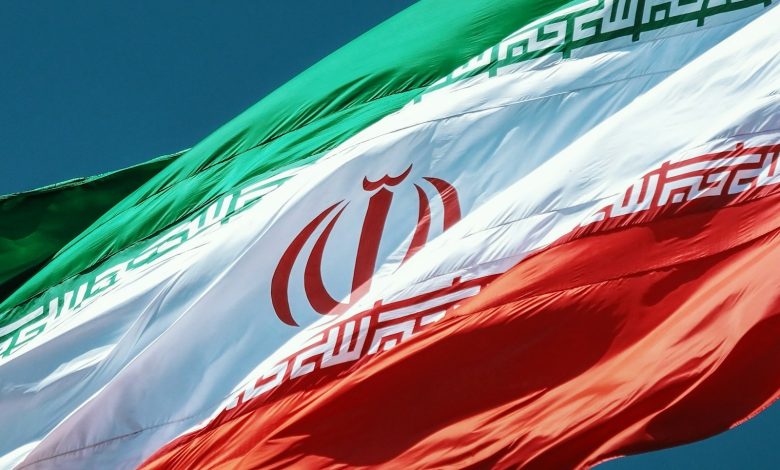
The news of "Operation Epic Fury" on February 28, 2026, has sent a shockwave through the global landscape. For the second time in less than a year, the United States and Israel have engaged in direct, large-scale combat operations against the Iranian regime. With reports of the death of Supreme Leader Ayatollah Ali Khamenei and strikes hitting the heart of Tehran, we aren't just looking at a tactical escalation—we are witnessing a fundamental attempt to reset the geopolitical clock of the Middle East.
Table of Contents
The Bottom Line
-
The Action: A coordinated U.S.-Israeli campaign targeting nuclear facilities, IRGC command centers, and senior leadership.
-
The Rationale: President Trump cited an "imminent threat" and the failure of nuclear negotiations as the primary triggers.
-
The Fallout: Over 200 reported dead in Iran, including a tragic strike on a girls' school, and retaliatory missile barrages against U.S. bases and Israel.
-
The Goal: Not just deterrence, but a public call for the Iranian people to "seize control of their destiny" and end 47 years of clerical rule.
Analysis: The “Peace Through Strength” Gamble
The current administration is operating on a clear, albeit high-stakes, principle: Maximum pressure is insufficient without the credible and active use of force. This isn't the "forever war" of the early 2000s characterized by nation-building; it is a "decapitation" strategy designed to hollow out the regime’s ability to project power or complete a nuclear weapon.
By targeting the symbols of government and the IRGC's infrastructure, the U.S. and Israel are betting that the Iranian state is a "house of cards" weakened by years of internal dissent and economic decay. The logic is that by removing the head of the snake, the body—the vast network of proxies like Hezbollah and the Houthis—will eventually wither.
Reality Check: The Steel-Man Argument
Reasonable critics of this operation argue that "regime change" is a ghost that has haunted American foreign policy for decades with disastrous results. They point out that:
-
Vacuum of Power: Killing a top leader does not automatically create a democracy; it often creates a vacuum filled by even more radical, decentralized factions.
-
Sovereignty and Law: Striking without congressional approval or a clear UN mandate risks isolating the U.S. from its Western allies and providing a propaganda win to adversaries like Russia and China.
-
Human Cost: Collateral damage, such as the school strike in southern Iran, can turn a domestic population against the "liberators" before the first day of the new era even begins.
These are not trivial concerns. They are rooted in the hard-learned lessons of Iraq and Libya. Acknowledging them is essential because it highlights the sheer gravity of the choice made on Saturday.
Why This Matters Now
The administration’s gamble rests on the belief that the "wait and see" approach of the last two decades only allowed Iran to move closer to a nuclear threshold while its proxies "soaked the earth with blood," as the President put it. From a common-sense perspective, if a regime has spent nearly half a century chanting "Death to America" while funding global terror, there comes a point where "containment" is no longer a viable strategy—it is a slow-motion surrender.
A Smarter Path Forward
As we move into what is being called the "Second Iran War," the focus must shift from the destruction of the old to the stability of the new.
-
Define the "End State": The U.S. and Israel must immediately articulate what a post-Khamenei Iran looks like. Is it a restored monarchy? A secular republic? Clarity here prevents the chaos of a power vacuum.
-
Prioritize Civilian Safety: To win the "hearts and minds" of the Iranian public, the coalition must prove that its quarrel is with the mullahs, not the people. Rigorous transparency regarding civilian casualties is a strategic necessity, not just a moral one.
-
Secure the Commons: The Strait of Hormuz is the world's jugular vein. Ensuring it remains open to commercial traffic is the only way to prevent a global economic meltdown that would erode domestic support for the mission.
We are at a tipping point. If this operation leads to a free Iran, it will be the greatest diplomatic and military victory of the 21st century. If it leads to a decade of regional fire, it will be a cautionary tale for the ages. The difference will lie in whether we have the wisdom to pair our "strength" with a clear, achievable plan for "peace."




Leave a Reply
Thank you for your response.
Please verify that you are not a robot.