
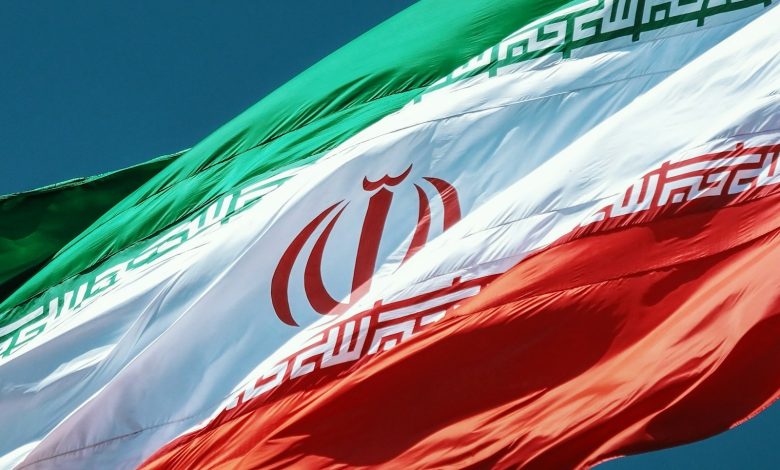
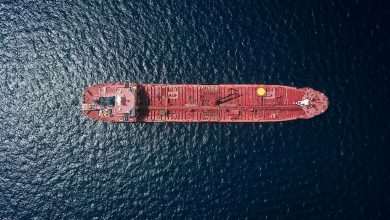
The smoke billowing from the Thai-flagged Mayuree Naree this Wednesday is more than a maritime distress signal; it is a flare lighting up the fragile reality of global interdependence. With three more vessels struck by projectiles in the Strait of Hormuz—bringing the total to at least 14 since the outbreak of the Iran conflict on February 28—the world’s most vital energy artery has effectively suffered a stroke.
As global oil prices revisit the ghosts of 2022 and nearly a fifth of the world’s supply remains bottled up behind a wall of Iranian threats and American-Israeli kinetic action, we are forced to confront a hard truth. Our modern "just-in-time" prosperity is built upon a foundation of sand—or rather, a 21-mile-wide strip of water that we have outsourced to the vagaries of distant geopolitics.
Table of Contents
Quick Reality Check
The current crisis reveals three fundamental fissures in our current global order:
-
The Illusion of Protection: For decades, the shipping industry has operated under the assumption that the U.S. Navy acts as a global "911." Yet, as Reuters reports, the Navy is currently refusing daily escort requests, citing risks that are "too high." When the guarantor of the commons steps back, the fragility of the entire system is laid bare.
-
The Cost of Energy Dependence: The surge in oil prices isn't just a number on a screen; it is a tax on every family’s grocery bill and every small business's logistics. By failing to prioritize domestic energy resilience, nations have handed a "kill switch" for their own economies to a regime in Tehran.
-
The Failure of Deterrence: Despite the "maximum pressure" rhetoric and the precision of the February 28 strikes, the Iranian Revolutionary Guards remain capable of asymmetric disruption. Conventional military superiority does not automatically translate into maritime security when the adversary is willing to play a "scorched-sea" game.
Understanding the Humanitarian Counter-Argument
There is a reasonable and deeply held belief that the primary focus of the international community right now should be an immediate de-escalation to prevent further loss of life. Proponents of this view argue that the "regime-change" ambitions of the current U.S. administration are unnecessarily provocative, turning a containable regional threat into a global economic catastrophe. They point to the three missing crew members of the Mayuree Naree and the 160 civilians tragically killed in the opening strikes as proof that military intervention creates more chaos than it resolves. From this perspective, the safest path is a return to the negotiating table to secure the "freedom of navigation" through diplomacy rather than destroyers.
However, this "peace at any price" approach ignores the fundamental nature of the Iranian regime's strategy. Diplomacy only works when all parties agree on the sanctity of international waters. For years, Tehran has used the Strait of Hormuz as a hostage, not a highway. To return to a status quo where a single rogue actor can hold the global economy for ransom is not "peace"—it is a temporary reprieve that invites future, more devastating blackmail. True security is not found in the absence of conflict, but in the presence of strength and self-reliance that makes such conflict futile.
The Local Impact
While the headlines focus on carrier groups and "unknown projectiles," the real story is the breakdown of the local maritime community.
The sailors on the ONE Majesty and the Star Gwyneth aren't combatants; they are the blue-collar workers of the sea. When we allow these chokepoints to become "kill zones," we aren't just losing oil; we are eroding the civic trust that allows international commerce to function. Personal responsibility in this context means acknowledging that our lifestyle choices—from the fuel we burn to the goods we buy—are directly linked to the safety of a Thai sailor trapped in a burning engine room near Oman.
The Path Toward Resilience
We cannot continue to oscillate between "endless wars" and "helplessness." A better way forward requires a shift in how we view national and economic security.
1. Energy Independence as a Moral Imperative The most effective way to disarm the threat in the Strait of Hormuz is to make the Strait irrelevant to our daily lives. This means a renewed, aggressive focus on domestic energy production—not just for the sake of the economy, but as a primary tool of non-interventionist foreign policy. The less we need Middle Eastern oil, the less we are forced to send our sons and daughters to patrol its waters.
2. A "Coalition of the Interested" for Maritime Security The U.S. cannot and should not be the world's sole maritime policeman. Nations like India, Japan, and Thailand—whose ships are actually being hit—must take a leading role in regional security cooperatives. Local empowerment means that those with the most to lose should be the first to defend their own interests, moving away from a model of American dependency toward a multi-polar, responsible maritime order.
3. Hardening the Global Supply Chain We must move from "Just-in-Time" to "Just-in-Case." This involves incentivizing the "near-shoring" of critical industries. When we bring production closer to home, we shorten the lines of communication and reduce the number of chokepoints that can be used against us.
The Smarter Path Forward
The crisis in the Strait of Hormuz is a wake-up call to return to the basics: sovereignty, self-reliance, and the protection of the innocent. We must stop treating the world's oceans as a risk-free playground and start treating them as a shared responsibility. By building more resilient, energy-independent communities at home, we reduce the incentive for regional powers to use global commerce as a weapon of war.
True stability won't come from the next missile strike, but from the day we can look at a map of the Strait of Hormuz and know that our children's future is no longer tied to who controls that narrow stretch of water.


Leave a Reply
Thank you for your response.
Please verify that you are not a robot.