
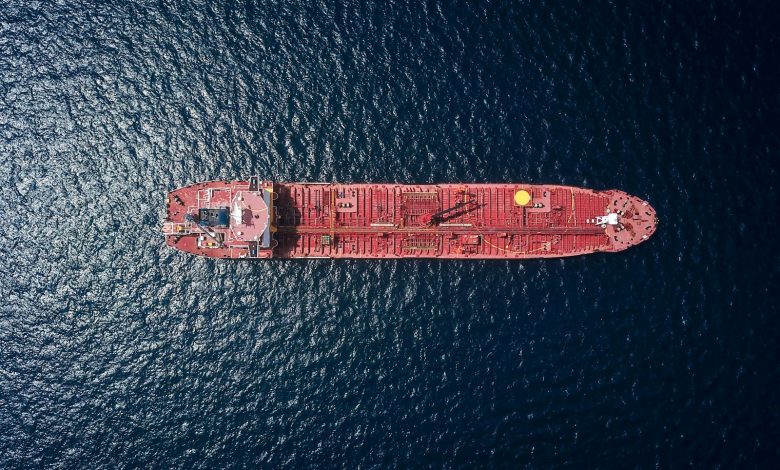
For decades, the American dinner table has been connected by an invisible, three-thousand-mile-long straw to a patch of water no wider than the distance between Baltimore and Washington, D.C. That straw is the Strait of Hormuz, and as recent reports of $85-a-barrel oil and shuttered refineries suggest, that straw is currently being pinched.
When Brent crude jumps 9% in a single session and European natural gas prices spike by nearly half, it isn't just a "market fluctuation." It is a systemic alarm bell. For the average family, these numbers don't represent abstract trading data; they represent the rising cost of a gallon of milk, the thinning of a heating budget, and the precariousness of a supply chain we have allowed to remain tethered to the world’s most volatile geopolitical fault lines.
Table of Contents
The Illusion of “Global Interdependence”
For years, the prevailing wisdom in high-level policy circles has been that global interdependence is a safeguard for peace. The theory—often called "commercial peace"—suggests that if nations are economically entwined, the cost of conflict becomes too high to bear. This is the logic that justified offshoring our industrial base and relying on a complex web of Middle Eastern energy and Chinese manufacturing.
However, the current crisis in the Persian Gulf reveals the rot in that logic. When 20% of the world’s liquefied natural gas and oil passes through a single chokepoint currently under fire, "interdependence" begins to look a lot like enforced vulnerability.
We are seeing the consequences of a decade spent prioritizing "just-in-time" global efficiency over "just-in-case" national resilience. By treating energy as a global commodity rather than a strategic pillar of national sovereignty, we have effectively outsourced our economic stability to regions where stability is a historical rarity.
Reality Check: The Ripple Effect
When the Strait of Hormuz is threatened, the impact is not confined to the deck of a Panama-flagged tanker. It radiates through every layer of modern life:
-
Agricultural Inflation: Modern farming is energy-intensive. From the petroleum-based fertilizers to the diesel that powers the tractors and delivery trucks, higher oil prices translate directly to higher grocery bills.
-
The Manufacturing Tax: Every plastic component, every chemical solvent, and every heated factory floor becomes more expensive. This acts as a hidden tax on domestic production, making it harder for local businesses to compete.
-
Household Erosion: When ultra-low-sulfur diesel futures jump 11%, the cost of shipping everything from Amazon packages to construction materials rises. The working class feels this "inflation tax" most acutely, as it eats into the discretionary income that builds local communities.
Steel-Manning the Globalist Vision
To understand how we got here, we must acknowledge the best version of the opposing argument. Proponents of globalized energy markets argue that chasing total domestic independence is both a fantasy and an inefficiency. They contend that by tapping into the global pool, we lower the average cost of energy for everyone during times of peace.
Furthermore, environmental advocates often argue that aggressive domestic oil and gas expansion delays the necessary transition to "green" energy. From their perspective, maintaining a degree of reliance on global markets—while simultaneously pivoting toward renewables—is a "bridge" strategy that avoids over-investing in fossil fuel infrastructure that might be obsolete in thirty years. These are not inherently "evil" positions; they are rooted in a desire for global cooperation and long-term environmental stewardship.
The Flaw in the Vision: The fatal flaw in this "bridge" strategy is that it assumes the bridge will be built in a vacuum. It ignores the reality that energy is the prerequisite for all other forms of progress—including the development of new technologies. A nation that cannot keep its lights on cheaply and reliably today lacks the capital and the stability to innovate for tomorrow. Relying on an "interdependent" system only works if every actor is rational and every waterway is safe. As we are seeing today, one regional conflict can burn that bridge down before we’ve even reached the other side.
The Community Consequences of Energy Insecurity
When energy prices spike, the first thing to vanish is local agency. When a small-town trucking company sees its fuel costs double, it doesn't just "absorb" the cost. It cuts its sponsorship of the local Little League team. It delays hiring the neighbor's son. It puts off upgrading its fleet. This is how global volatility erodes local flourishing.
Conservative thought has long held that the "little platoons" of society—family, church, and local business—are the bedrock of a healthy nation. But these platoons require a predictable economic environment to thrive. We cannot expect a father to practice "personal responsibility" and save for his children's education if his basic utility and fuel costs are subject to the whims of a regional commander in the Iranian Revolutionary Guard.
The Bottom Line
The current surge to $85 a barrel is a reminder that energy security is national security. It is also a moral issue. To be dependent on a hostile or unstable foreign power for the literal energy that fuels our lives is a dereliction of duty to the next generation.
A Smarter Path Forward: The Resilience Mindset
We cannot change the geography of the Middle East, but we can change the architecture of our own economy. Moving forward, we must adopt a strategy rooted in domestic abundance.
-
Prioritize Energy Sovereignty: We must treat the production of oil, natural gas, and nuclear energy as a matter of civic virtue. This means streamlining the regulatory hurdles that prevent domestic drilling and refining. We should aim not just for "sufficiency," but for such an "excess of supply" that global chokepoints lose their leverage over the American consumer.
-
Decentralize the Grid: True conservative resilience starts at home. Encouraging local energy production—whether through small-scale modular nuclear reactors or regional natural gas cooperatives—reduces our reliance on massive, vulnerable infrastructure.
-
Refortify Domestic Refineries: As the news report noted, Middle East processing facilities are at risk. We must incentivize the modernization and expansion of our own refinery capacity so that we aren't just "energy independent" in terms of raw crude, but in terms of the finished products (diesel, gasoline, jet fuel) that actually run our economy.
-
A Cultural Shift Toward Thrift and Preparation: While we advocate for better policy, we must also encourage a culture of personal readiness. This means building local supply chains that aren't dependent on long-distance shipping and fostering community-level energy projects that can withstand global shocks.
The goal is a nation that is "anti-fragile"—a country that doesn't just survive global volatility but is insulated from it. By reclaiming our energy independence, we reclaim our ability to chart our own course, ensuring that the future of the American family is decided in our own town halls, not in the Strait of Hormuz.


Leave a Reply
Thank you for your response.
Please verify that you are not a robot.