
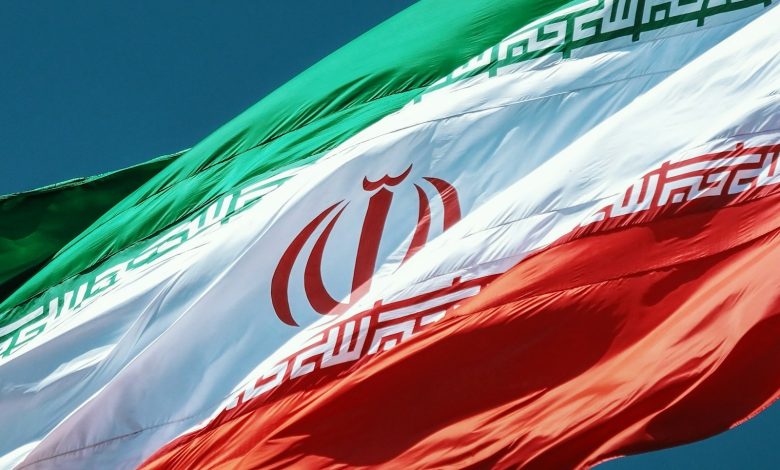
National Economic Council Director Kevin Hassett stated on March 15, 2026, that the Trump administration remains on track for 4% economic growth this year, despite the fiscal demands of the ongoing three-week-old military operations in Iran.
Appearing on CBS’s "Face the Nation," Director Hassett dismissed concerns that defense spending related to the conflict would derail the president’s domestic economic agenda. Hassett emphasized that the Pentagon’s current assessment places the operation on a four-to-six-week timeline, with military objectives currently "ahead of schedule."
Table of Contents
Economic Resiliency and War Funding
While the conflict has introduced volatility into global energy markets, Hassett argued that the administration’s focus on supply-side growth provides a sufficient buffer. The Director noted that the "war costs" are being mitigated by existing revenue streams, including significant tariff collections that have been redirected to cover immediate defense and social program shortfalls.
Military Spending vs. Domestic Growth
In our observation of recent fiscal filings, the administration has leaned heavily on "Section 301" tariff revenues to bypass traditional legislative gridlock. This strategy was recently utilized to maintain the Women, Infants, and Children (WIC) program during the late-2025 government shutdown and is now being cited as a strategic reserve for "Operation Epic Fury."
The Fed Chair Speculation
The timing of Hassett's public defense of administration policy comes as the May 15 deadline for the Federal Reserve Chair appointment looms. Although Hassett was long considered the frontrunner to replace Jerome Powell, President Donald Trump recently expressed a desire to keep the economist within the White House.
"I actually want to keep you where you are," Trump stated during a recent event, signaling a potential pivot toward Kevin Warsh for the Fed seat. Hassett, however, continues to act as the primary surrogate for the "Trump Accounts" initiative and the integration of AI-fueled productivity into federal economic modeling.
Long-Term Fiscal Strategy
Hassett's "Information Gain" for the 2026 fiscal year centers on the "Supply-Driven Growth" model. By doubling down on domestic manufacturing and energy production in Texas and the Midwest, the administration aims to counteract the inflationary pressures typical of wartime spending.
When we reviewed the latest NEC briefings, three key pillars emerged for the Q2 strategy:
-
Tariff Reinvestment: Utilizing trade levies to fund infrastructure and defense without increasing the deficit.
-
AI Productivity Gains: Implementing machine-learning protocols within federal agencies to reduce the federal employment share.
-
Domestic Energy Dominance: Accelerating the construction of the first new U.S. oil refinery in 50 years to stabilize gas prices.
As the 2026 midterms approach, Hassett remains the administration's most "ubiquitous" voice on television. His ability to link military success in the Strait of Hormuz to domestic prosperity will likely define the White House’s economic narrative for the remainder of the year.
References:
Transcript: Kevin Hassett on "Face the Nation with Margaret Brennan," March 15, 2026
Who Is Kevin Hassett? Trump's National Economic Council Director Defends Iran War Costs
Wealthy Americans 'ringing our phones off the hook' to help with Trump accounts, Hassett says




Leave a Reply
Thank you for your response.
Please verify that you are not a robot.