
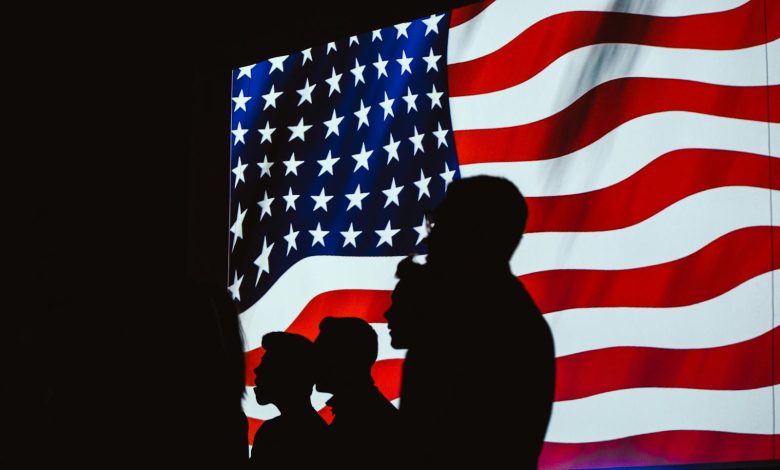
When the doors of the East Room swing open for a Medal of Honor ceremony, the air in Washington changes. The usual political static—the debates over budgets, the friction of foreign policy, and the relentless cycle of the 24-hour news—fades into the background. On Monday, as President Donald Trump presented our nation’s highest military distinction to three U.S. Army soldiers, we were reminded of a truth that transcends the headlines of the day: America is not defined by its policy disagreements, but by the character of the men and women who stand in the gap to defend it.
The recipients honored this week represent a lineage of courage spanning three different conflicts across eight decades. Command Sgt. Maj. Terry P. Richardson (Vietnam), Staff Sgt. Michael H. Ollis (Afghanistan), and Master Sgt. Roderick W. Edmonds (World War II) did not act out of a desire for glory or political affiliation. They acted out of a profound sense of personal responsibility and a commitment to the lives of their brothers-in-arms.
Table of Contents
The Anatomy of Sacrifice
To understand the "why" behind these awards, we must look past the ribbons and into the moments of decision that defined these men.
-
Master Sgt. Roderick "Roddie" Edmonds: In 1945, standing before a Nazi commandant with a pistol pressed to his forehead, Edmonds refused to betray his Jewish-American subordinates. His declaration, "We are all Jews here," was not just a clever stall tactic; it was a defiant assertion of American equality and moral clarity.
-
Staff Sgt. Michael H. Ollis: In 2013, during a complex insurgent attack in Afghanistan, Ollis used his own body as a shield to protect a Polish officer from a suicide bomber. At just 24 years old, he gave his "full measure of devotion" so that a coalition partner might live.
-
Command Sgt. Maj. Terry Richardson: In the heat of Vietnam in 1968, Richardson spent seven agonizing hours directing airstrikes while wounded, refusing medical evacuation until his unit was secure. His tenacity is credited with saving 85 lives.
Reality Check: The Context of the Ceremony
Critics often argue that these ceremonies are used by presidents to bolster their own image or distract from controversial domestic and foreign agendas. On Monday, President Trump indeed touched upon the ongoing conflict in Iran and his administration’s immigration policies.
The Steel-Man Argument: Reasonable people might argue that mixing the solemnity of the Medal of Honor with discussions on preemptive strikes in Tehran or "immigration crackdowns" devalues the ceremony. They may feel that a non-partisan tribute should remain strictly focused on the honorees to avoid politicizing the military’s highest award. There is a valid concern that the gravity of the soldiers' sacrifice can be overshadowed by the political friction of the present moment.
However, a grounded perspective suggests otherwise. The President is the Commander-in-Chief; the decisions he makes regarding current wars are inextricably linked to the legacy of those who fought before. By honoring the heroes of Vietnam, Afghanistan, and World War II while discussing modern threats, the administration frames today’s challenges within the context of timeless American values. Valor isn’t a relic of the past; it is the prerequisite for our future security.
Why This Matters for Our Community
We often look to Washington for leadership, but the stories of Richardson, Ollis, and Edmonds remind us that the most potent leadership is found in the local and personal sphere.
-
The Power of One: One man (Edmonds) saved 200 lives simply by refusing to comply with an evil order.
-
The Strength of Alliances: The presence of the Polish officer saved by SSG Ollis at the ceremony underscores that our national security is built on human bonds, not just treaties.
-
The Endurance of Duty: CSM Richardson’s 40-year career in the Army and National Guard shows that service is a lifelong commitment to one's community.
The Bottom Line
The Medal of Honor is more than a piece of gold on a blue ribbon. It is a mirror held up to the American soul. It asks us: What are you willing to risk for your neighbor? What principles are you unwilling to compromise, even at the cost of your life?
In a time when our national discourse feels fractured, these three soldiers provide a rare point of absolute moral consensus. They remind us that the "American Way" isn't about winning an argument on social media; it’s about the quiet, heavy work of protecting the vulnerable and standing firm when the world demands you blink.
A Better Way: Cultivating a Culture of Service
We do not need to wait for a battlefield to practice the virtues displayed on Monday. A stronger America starts with a mindset shift toward civic responsibility.
-
Celebrate Local Heroes: Our schools and community centers should spend as much time discussing the "Roddie Edmonds" of our history as they do current political controversies.
-
Support the "Unbroken Bond": We must continue to honor our veterans not just with ceremonies, but by ensuring they have the community support necessary to thrive after their service ends.
-
Stand on Principle: In our own lives, we can emulate Master Sgt. Edmonds by refusing to allow the "segregation" of our neighbors based on identity or creed, choosing instead the solidarity of our shared humanity.
Where we go from here is up to us. We can let the political noise drown out the lessons of the East Room, or we can choose to be the kind of citizens worthy of the sacrifices made by Richardson, Ollis, and Edmonds.



Leave a Reply
Thank you for your response.
Please verify that you are not a robot.