
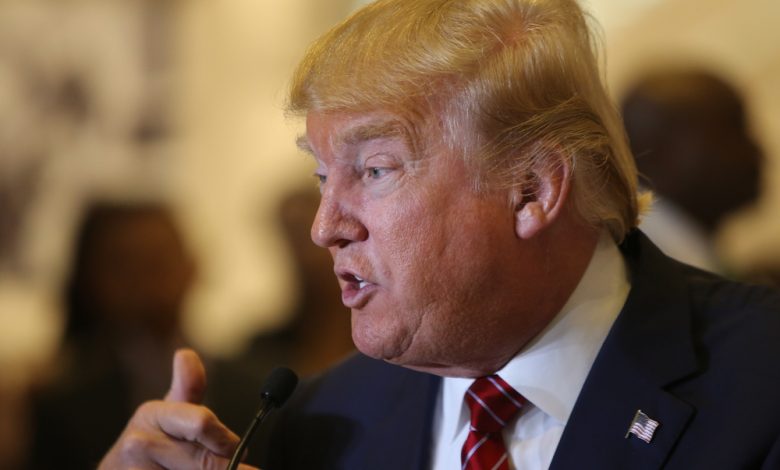
President Donald Trump called for the immediate termination of the Senate filibuster on Thursday, escalating pressure on Republican lawmakers to break a month-long legislative deadlock that has left the Department of Homeland Security (DHS) unfunded and national airports in mounting disarray. In a series of statements released on Truth Social, the President framed the procedural rule as a primary obstacle to national security and infrastructure stability, urging his party to "go for the gold" by forcing through the SAVE America Act.
Table of Contents
The Legislative Impasse and the Filibuster
The demand for the "nuclear option"—the elimination of the 60-vote threshold required to end debate on most legislation—comes as Senate Republicans and Democrats remain at a total standstill. Senate Majority Leader John Thune, R-S.D., indicated on Wednesday that there is "no point" in continuing negotiations based on the latest Democratic counteroffers. Meanwhile, Senate Minority Leader Chuck Schumer, D-N.Y., has defended the Democratic position as a "reasonable, good faith proposal" that mirrors long-standing party priorities.
President Trump’s intervention seeks to bypass this partisan friction by removing the minority party's ability to block a vote. "When is 'enough, enough' for our Republican Senators," Trump wrote, arguing that Democrats would not hesitate to scrap the rule themselves if they held the majority. By calling for the filibuster's end, the President is pushing for a fundamental shift in Senate operations to secure immediate funding for the DHS and the implementation of his administration's signature legislative goals.
The SAVE America Act and DHS Funding
Central to the current conflict is the SAVE America Act. The President has insisted that any deal to reopen the Department of Homeland Security must include all five core items of this legislative package. While the specific details of the act remain a point of intense debate in the Senate, the administration has tied its passage directly to the restoration of federal security funding.
The consequences of the funding lapse are becoming increasingly visible across the country. The DHS shutdown has now persisted for over a month, leaving Transportation Security Administration (TSA) employees and other essential border security personnel to work without pay. Reports from major travel hubs describe a state of "chaos" as staffing shortages lead to unprecedented delays and security concerns. President Trump linked the filibuster directly to these failures, stating that terminating the rule is the only way to "get our airports, and everything else, moving again."
Political Maneuvering and the March 30 Deadline
The timing of the President’s demand is critical. Senate lawmakers are facing a March 30 deadline, after which the chamber is scheduled to go on recess. If an agreement is not reached—or if the filibuster is not bypassed—the DHS will remain unfunded throughout the congressional break, potentially extending the crisis well into April.
In his public statements, President Trump targeted Senator Schumer directly, characterizing him as a "desperate, crippled politician" who has lost control of his caucus. The President suggested that Schumer might only be willing to make a deal if he believes Republicans are truly prepared to eliminate the filibuster. This rhetorical strategy aims to force the minority leader's hand by presenting the "nuclear option" as an inevitable outcome of continued obstruction.
Future Implications for the Senate
The decision to terminate the filibuster would represent one of the most significant changes to Senate procedure in decades. Critics of the move argue it would destroy the chamber's role as a moderating body and lead to increased political volatility. However, proponents within the GOP and the Trump administration argue that the current crisis demands a departure from tradition to ensure the basic functions of government, such as airport security and border management, are maintained.
As the March 30 recess approaches, the focus remains on whether Leader Thune and the Senate Republican conference will heed the President's call. The path forward remains uncertain, but the pressure to resolve the DHS funding gap has reached a fever pitch, with the President making it clear that he views procedural traditions as secondary to his administration's legislative and security objectives. Regardless of the outcome, the current fight highlights a deepening divide over the future of Senate governance and the limits of executive influence over legislative procedure.





Leave a Reply
Thank you for your response.
Please verify that you are not a robot.