
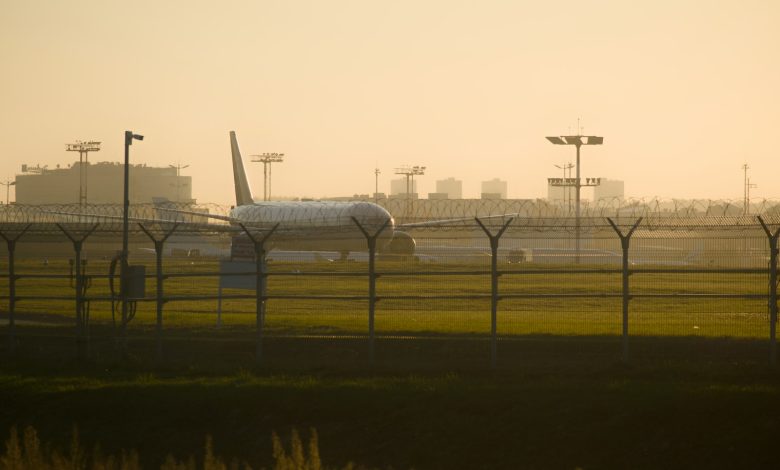
The U.S. Department of State has officially ended its daily briefings on American evacuations from the Middle East after successfully repatriating 43,000 citizens since the conflict in Iran began. On Wednesday, March 11, 2026, Assistant Secretary Dylan Johnson confirmed that the supply of government-chartered transportation now significantly exceeds the remaining demand from U.S. nationals in the region.
Table of Contents
The Scale of the Repatriation Effort
When we reviewed the latest operational data from the State Department’s 24/7 Task Force, the figures highlighted a rapid stabilization of civilian travel. Since the outbreak of hostilities, the administration has coordinated more than 36 dedicated charter flights to move citizens out of high-risk zones.
Key Evacuation Statistics (as of March 11, 2026):
Declining demand for government aid is the primary driver behind the shift in policy. In our observation of the Department’s recent manifests, flights departing from the United Arab Emirates (UAE) have consistently featured empty seats, despite proactive outreach to thousands of eligible citizens.
Shift to Commercial Travel and Regional Stability
Assistant Secretary Dylan Johnson stated that the availability of commercial flights in the Middle East has improved to the point where government intervention is no longer the primary necessity for departure. This transition marks a pivot from emergency "crises mode" to standard consular monitoring.
The State Department noted that many Americans who initially requested help eventually opted to remain in place or booked their own travel. "Most Americans who requested assistance have declined assistance when offered, opting either to remain in the country or book commercial flight options," Johnson documented in his final daily update.
Operational leadership for this effort was managed by the Trump administration and Secretary of State Marco Rubio. While daily public updates have ceased, the State Department maintains that it will continue to provide security guidance and standard assistance through its permanent embassies and consulates.
Context of the Conflict in Iran
The conclusion of daily updates does not signify an end to regional tensions. In our review of recent maritime reports, we found that the security environment remains fluid following the recent Iranian strikes on three ships near the Strait of Hormuz.
The White House has criticized legislative attempts to limit executive war powers during this period, suggesting that the administration intends to maintain a flexible military posture even as civilian evacuation efforts scale down.
In our observation of the UAE flights, the lack of demand suggests that the American civilian population remaining in the region is either stationary by choice or perceives the current level of risk as manageable via commercial infrastructure.





Leave a Reply
Thank you for your response.
Please verify that you are not a robot.