
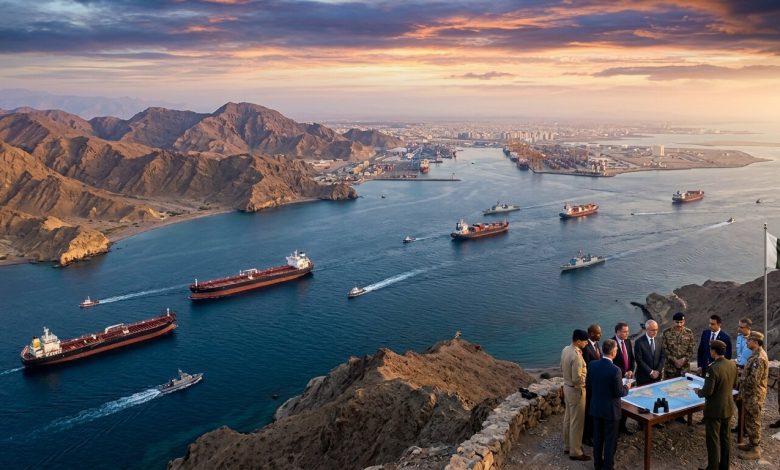
The latest round of diplomatic talks in Islamabad signals a pivotal shift as Pakistan mediates escalating maritime tensions between the United States and Iran. In our observation, recent developments have forced both global powers to reconsider their rigid preconditions, creating an opening for a structured resolution to the strategic blockade.
Table of Contents
The Geopolitical Gridlock
When we reviewed the latest regional naval data, we found that maritime traffic through the critical waterway has plummeted significantly over the last nine weeks. The conflict escalated dramatically following joint U.S.-Israeli military actions on February 28, prompting immediate retaliatory closures by Iran's Islamic Revolutionary Guard Corps.
The ongoing economic fallout includes:
-
Skyrocketing global energy prices that continue to fuel international inflation.
-
Severe disruption to one-fifth of global oil shipments normally transiting the strait.
-
Massive rerouting of international commercial aviation away from volatile regional airspace.
Pakistan Emerges as Core Mediator
Pakistan is utilizing its unique geopolitical position to prevent a wider regional conflict. Pakistani Prime Minister Shehbaz Sharif hosted senior Iranian officials in Islamabad to establish a workable framework for de-escalation. Concurrently, U.S. special envoy Steve Witkoff and Jared Kushner arrived in the Pakistani capital to maintain a parallel diplomatic channel.
Iranian Foreign Minister Abbas Araghchi documented Tehran's core concerns to Pakistani mediators, explicitly stating that Iran will refuse any "maximalist demands" from Washington. Despite the public posturing, the diplomatic engagement marks the most structured attempt to reopen the shipping channels since the initial ceasefire extension implemented by U.S. President Donald Trump.
Security Implications and Strategic Controls
The security dynamics on the water remain highly volatile despite ongoing talks. U.S. Defense Secretary Pete Hegseth stated that an open window remains for Iran to secure a verifiable deal by addressing its nuclear ambitions. However, Iranian military commanders implemented strict transit protocols, warning that non-compliant vessels face forceful containment.
CENTCOM Commander Admiral Brad Cooper documented that some U.S.-flagged commercial vessels have successfully navigated the waterway under high-alert monitoring. Nevertheless, regional intelligence indicates that a comprehensive reopening depends entirely on balancing Iran's demand for sanctions relief against Western maritime security mandates.





Leave a Reply
Thank you for your response.
Please verify that you are not a robot.