
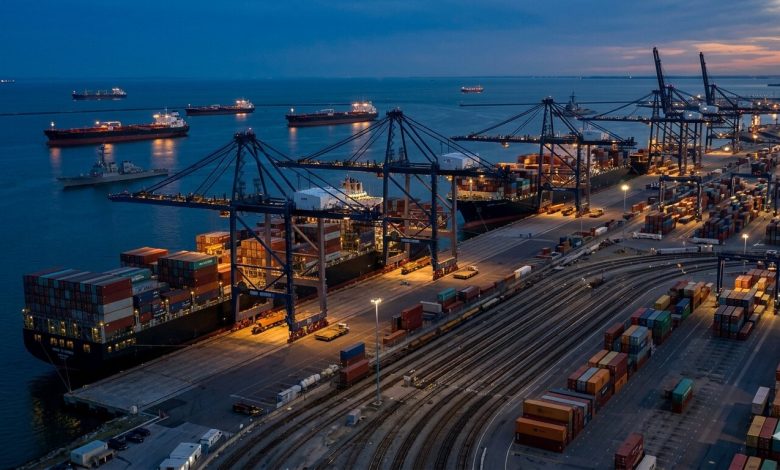
The Trump administration allowed a temporary sanctions waiver to expire on Saturday, blocking countries like India from purchasing Russian seaborne oil. This policy shift follows a month-long extension previously intended to curb escalating global energy costs and supply deficits resulting from Iran's closure of the Strait of Hormuz. The U.S. Treasury Department did not issue a renewal notice following the expiration deadline, and agency spokespersons have declined to comment on whether the administration plans to replace the mechanism.
Table of Contents
Escalating Pressure on Global Energy Networks
The expiration directly affects international crude markets already strained by regional tensions. The waiver originally allowed specific foreign jurisdictions to buy and process Russian crude oil stored on maritime tankers, bypassing broader American sanctions packages. The administration initially granted the extension as a stabilization measure after global shipping lanes faced severe disruptions.
In our observation of recent maritime data, the enforcement coincides with severe economic friction inside Iran.Recent assessments indicate that the ongoing U.S. naval blockade and economic pressure campaigns cost the Iranian government an estimated $450 million daily in lost oil revenues. The enforcement of stricter sanctions compliance remains a primary pillar of Washington's broader strategy to compel Tehran to renegotiate its regional policies.
Congress and Policy Experts Respond to the Strategy
Lawmakers on Capitol Hill expressed support for the administration's decision to tighten pressure. U.S. Senator Rick Scott of Florida publicly backed the strict enforcement stance, stating that the Iranian government continues to fund regional proxy groups and undermine Middle Eastern security frameworks. Congressional oversight committees are currently reviewing how the lapse in the oil waiver will affect domestic gasoline prices heading into the summer months.
National security analysts emphasize that the decision signals a refusal to compromise on energy enforcement.When we reviewed recent diplomatic briefings, foreign policy experts noted that the administration is leveraging energy restrictions to maximize leverage during active negotiations. Some security analysts suggest that the restriction on Russian seaborne oil eliminates a critical loophole that state actors used to navigate the highly volatile energy landscape.
Technical Outlook for Maritime Commerce
The lapse in the waiver alters how major energy-consuming nations manage their strategic reserves. Countries that relied heavily on the maritime exemption must now rapidly realign their supply chains to avoid trigger mechanisms from U.S. secondary sanctions. Financial institutions monitoring international shipping have reported immediate adjustments in freight routing and contract pricing following the Treasury Department's silence on the matter.
The administration's next steps depend heavily on whether shipping routes normalize. If regional friction continues to restrict commercial traffic through critical choke points, industry experts warn that the administration may face renewed pressure from international allies to introduce alternative energy compliance frameworks. For now, the administration's clinical focus remains fixed on restricting alternative revenue streams for adversarial nations.
Rep. Pat Harrigan Discusses Trump's Blockade in Iran on Newsmax



Leave a Reply
Thank you for your response.
Please verify that you are not a robot.