
Table of Contents
The Expiration of the Tanker Exemption
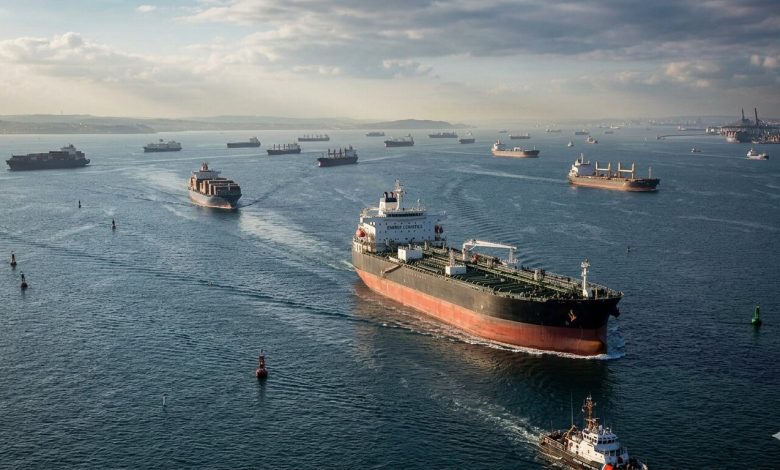
The Trump administration allowed a key sanctions waiver to expire on May 23, 2026, shifting its strategy on global energy enforcement. The U.S. Treasury Department opted not to issue a renewal notice for the measure following its weekend expiration. This specific waiver previously permitted foreign nations, including India, to purchase and transport Russian seaborne oil stored on maritime tankers without triggering secondary American penalties.
Treasury Department officials have not yet issued an official comment regarding whether this exemption will be permanently eliminated, modified, or replaced.
The Energy Context and Shifting Trade Dynamics
The decision to end the month-long extension comes during a period of sustained volatility in global energy markets.The administration originally implemented the temporary waiver to mitigate sudden oil supply shortages and suppress surging global crude prices. These market disruptions intensified following Iran's military and administrative closure of the Strait of Hormuz, a critical bottleneck for international oil transit.
In our observation of recent global trade data, the removal of this waiver directly targets alternative revenue streams utilized by state actors during ongoing maritime standoffs. By closing the loophole for stranded Russian cargo, the administration aims to tighten financial pressure across multiple geopolitical fronts simultaneously.
Regional Ramifications and Economic Countermeasures
The lapse of the American waiver creates immediate logistical and financial hurdles for major developing economies that relied on the maritime exemption to fulfill domestic energy needs. India and other importing nations must now recalibrate their purchasing strategies to avoid falling out of compliance with U.S. banking restrictions.
Concurrently, regional dynamics remain volatile as targeted nations attempt to bypass the tightening financial blockade. In response to the economic pressure, the Iranian regime launched a domestic maritime insurance system designed specifically for vessels attempting to navigate the blockaded Strait of Hormuz. According to shipping documents, the newly introduced "Hormuz Safe" platform offers digital insurance policies and accepts payments via cryptocurrencies, including Bitcoin, in an explicit attempt to circumvent Western banking networks.
Diplomatic Alignment and Strategic Shifts
The administrative decision to end the sanctions exemption follows strategic diplomatic shifts in Washington regarding international cooperation. The enforcement actions advanced after President Donald Trump's diplomatic mission to Beijing concluded without the signature of new major bilateral cooperation memorandums.
U.S. officials expressed dissatisfaction with China's level of alignment regarding economic pressure campaigns directed at Tehran's nuclear and regional policies. Consequently, independent security analysts note that the expiration of the Russian tanker waiver signals a broader transition toward stricter unilateral enforcement mechanism options, reducing the reliance on multilateral exemptions to stabilize Western energy markets.



Leave a Reply
Thank you for your response.
Please verify that you are not a robot.