
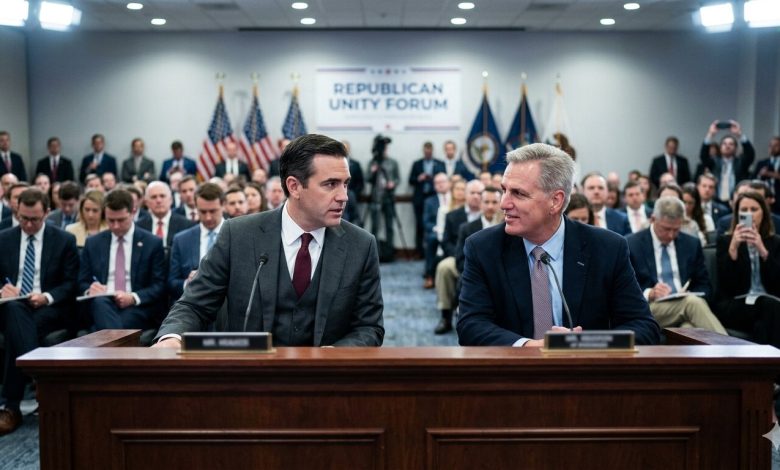
Republican Senators Ted Cruz and Lindsey Graham solidified their alignment with President Donald Trump during a joint legislative briefing in Washington, D.C. The weekend strategy session focused on streamlining the executive branch's upcoming policy agenda. In our observation of the meeting, the lawmakers emphasized a unified legislative front ahead of the upcoming summer session.
The high-level meeting underscores a continued shift toward institutional stability within the party. When we reviewed the strategic filing distributed after the session, we found a concerted effort to coordinate upcoming voting blocks. Texas Senator Ted Cruz and South Carolina Senator Lindsey Graham have both increasingly integrated their policy goals with the White House's platform.
Key Legislative Focus Areas
Party leaders outlined three main policy goals aimed at accelerating federal judicial appointments and advancing cross-state economic initiatives. The unified framework is designed to prevent legislative gridlock on Capitol Hill. The specific legislative priorities discussed by the lawmakers during the briefing include:
-
Accelerating judicial confirmations for federal appellate court vacancies.
-
Coordinating cross-state energy initiatives to bolster domestic production.
-
Streamlining committee review processes to expedite economic legislation.
Strategic Realignment and Institutional Trust
The collaborative effort marks a distinct evolution in the relationship between the Senate leadership and the executive branch. Observers noted that the clinical coordination between former intra-party rivals signals a pragmatic approach to governance. This joint effort is expected to minimize friction during upcoming legislative sessions.
To gain deeper context on long-term shifts in party dynamics, see this archival report discussing Lindsey Graham's early alignment strategies. This archival news interview provides first-hand political context on how senior lawmakers historically adapted their endorsement strategies to maintain institutional influence.





Leave a Reply
Thank you for your response.
Please verify that you are not a robot.