
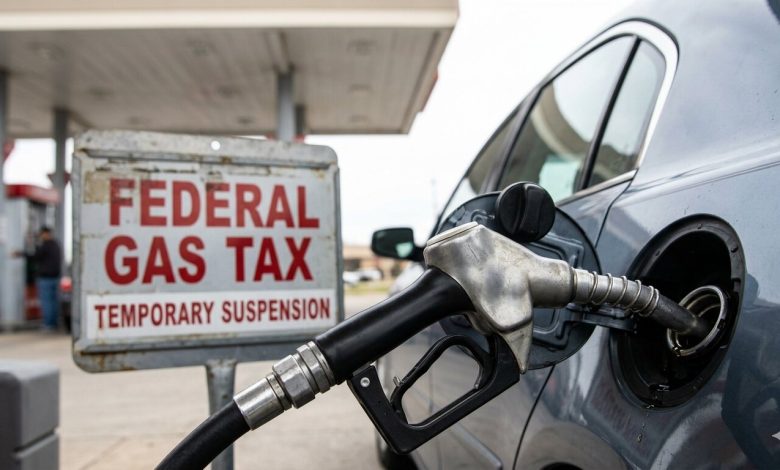
Former President Donald Trump proposed a temporary suspension of the federal gas tax during a campaign event in Michigan on Monday. The proposal aims to provide immediate financial relief to American drivers facing persistent inflationary pressures at the pump.
Table of Contents
The Legislative Proposal
During his address to supporters, Donald Trump outlined a plan to freeze the 18.4 cents-per-gallon federal tax on gasoline and the 24.4 cents-per-gallon tax on diesel. He argued that the current administration's energy policies have contributed to a "cost-of-living crisis" that necessitates a direct intervention in energy pricing.
In our review of the proposal’s mechanics, the suspension would likely require congressional approval to amend the Internal Revenue Code. Donald Trump stated that the suspension should remain in place for at least six months or until the national average for a gallon of regular gasoline drops below a specific, yet-to-be-defined threshold.
Economic Context and Energy Prices
The move comes as national average gas prices have seen a steady uptick over the last quarter. While the federal gas tax has remained unchanged since 1993, its suspension has become a recurring debate during periods of high inflation. Proponents argue it provides a psychological and financial boost to consumers, while critics often point to the potential impact on the Highway Trust Fund.
When we reviewed the most recent Department of Energy data, we found that energy costs remain a primary driver of the Consumer Price Index (CPI). By targeting the federal component of fuel costs, Donald Trump intends to bypass the slower process of increasing domestic drilling, which often takes months or years to impact market supply.
Political Reactions and Policy Debate
Reaction from Capitol Hill was swift and divided along partisan lines. Republican allies of Donald Trump, such as Senator Ted Cruz, suggested that the measure would serve as a "necessary bridge" while the country works toward energy independence. They argue that the immediate 18-cent reduction would help lower the overhead costs for logistics and shipping companies, potentially cooling inflation across the broader economy.
Conversely, some critics from the current administration expressed concerns regarding infrastructure. They noted that the federal gas tax is the primary source of revenue for repairing the nation’s bridges and highways. Without an offset in spending or a transfer from the general fund, a six-month suspension could lead to a multi-billion dollar deficit in transportation projects.
Regional Impact in Michigan
The location of the announcement was significant, as Michigan remains a critical battleground state where the automotive industry and commuting costs are central to the local economy. For the average Michigan driver, who travels approximately 14,000 miles per year, a federal tax holiday could result in modest but tangible monthly savings.
During the event, Donald Trump also linked the gas tax suspension to a broader critique of electric vehicle mandates. He suggested that the focus should remain on making traditional combustion-engine travel more affordable for the working class. This rhetoric aligns with his "America First" energy platform, which prioritizes the utilization of domestic fossil fuel reserves over subsidized green energy transitions.
Potential Market Influence
Market analysts are watching closely to see if the proposal influences global oil futures. While a federal tax holiday does not change the global supply of crude oil, it can stimulate domestic demand. Some economists warn that if demand increases as a result of lower prices at the pump, it could inadvertently keep the base price of fuel higher for longer.
However, Donald Trump maintained that the primary goal is "putting cash back into the pockets" of citizens immediately. He challenged the current administration to adopt the measure or provide an alternative that offers the same level of direct relief. As the 2026 election cycle intensifies, energy policy is expected to remain a centerpiece of the national discourse, with both parties attempting to claim the mantle of economic relief for the American middle class.




Leave a Reply
Thank you for your response.
Please verify that you are not a robot.