

The proposed $300 billion international fund to finance the reconstruction of Iran faces mounting opposition from U.S. lawmakers and Gulf Cooperation Council (GCC) states following devastating infrastructure attacks in the region. President Donald Trump recently dismissed reports of the multi-billion dollar allocation as "fake news," despite statements from Vice President JD Vance indicating that economic benefits remain tied to a potential 60-day ceasefire agreement. Critics argue that providing financial assistance to Tehran would strengthen the Islamic Revolutionary Guard Corps (IRGC) without holding the regime accountable for regional proxy violence.
Table of Contents
Inside the Proposed Iran Reconstruction Fund
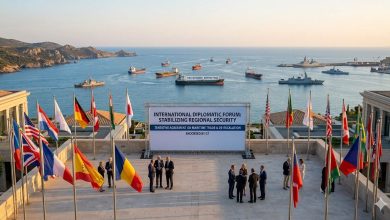
The controversy stems from a Memorandum of Understanding (MOU) designed to implement a 60-day regional ceasefire. Financial concessions are central to the ongoing diplomatic negotiations brokered by international intermediaries, including Pakistan. The proposed $300 billion package is intended to address structural damage within Iran following recent military escalations.
White House Explains Ceasefire Conditions
Vice President JD Vance sought to clarify the administration’s position during an address last weekend, reassuring skeptics that no immediate capital would leave Washington. "The Iranians are not receiving any cash, and no funds are being released for simply signing a deal or attending a meeting," Vice President Vance stated. He noted that any eventual economic benefits would flow only if Tehran meets its strictly defined obligations under a future permanent agreement.
Despite these assurances, policy analysts note that inclusion of the fund in preliminary documents signals that a massive reconstruction package remains a core negotiating point. President Trump has continued to publicly distance the administration from the multi-billion dollar figure. The tension highlights a growing divide between immediate diplomatic objectives and long-term security strategies in the Middle East.
Gulf Allies Push Back After Local Attacks
Gulf Cooperation Council states have expressed strong opposition to any international mechanism that provides financial relief to Tehran. Nations including the United Arab Emirates (UAE), Saudi Arabia, Bahrain, and Kuwait did not participate in the initial military escalations but have absorbed severe secondary impacts. Iranian drone and missile strikes have targeted civilian airports, commercial maritime ports, hotels, data centers, and residential developments across the Gulf.
In our observation of recent regional operational reports, the UAE has borne a significant share of these unprovoked drone-related incidents. On March 16, 2026, a drone attack near Dubai International Airport ignited a massive fuel tank fire, forcing authorities to temporarily suspend commercial aviation operations. Gulf leaders argue that funding Iran's rebuilding efforts while domestic infrastructure lies damaged is diplomatically unfeasible.
Strategic Impact of the Military Strikes
The debate over reconstruction funding follows a massive, coordinated military campaign conducted by the United States and Israel. On February 28, 2026, allied forces launched a preemptive campaign against Iran's nuclear development facilities and conventional military architecture. Western intelligence agencies and the International Atomic Energy Agency (IAEA) had warned that Tehran was within days of a nuclear breakout weapon.
Assessing the Infrastructure Damage
The allied operation consisted of more than 2,600 highly selective airstrikes focused exclusively on military installations. According to data tracked by Western defense analysts, approximately 2,400 of those strikes targeted missile launch facilities, command-and-control bunkers, airfields, drone manufacturing plants, and naval assets. Limited impacts on civilian logistics infrastructure, such as steel production plants and transportation bridges, were directly tied to military supply lines.
Energy analysts estimate that subsequent Iranian retaliatory strikes caused $58 billion in physical damage to energy-linked infrastructure across the Gulf. The broader global economy has also absorbed sharp financial losses as maritime shipping insurance premiums and energy markets reacted to the regional instability.
Congressional Opposition and Future Diplomatic Steps
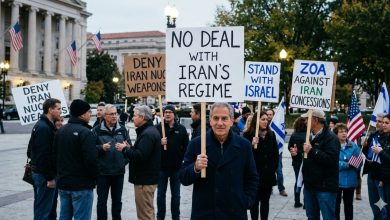
Opposition to the fund is also intensifying on Capitol Hill, where lawmakers are demanding comprehensive reparations from Tehran before any sanctions relief is considered. South Carolina Senator Lindsey Graham sharply criticized the framework of the proposed Memorandum of Understanding.
"Any reconstruction package for Tehran would be akin to a Marshall Plan for Germany with the Nazis still in charge," Senator Graham documented during a congressional press briefing. Lawmakers are insisting on a list of strict prerequisites before negotiations proceed, including:
-
Total disclosure and neutralization of all remaining enriched uranium stockpiles.
-
Complete termination of state funding for regional proxy groups, including Hezbollah and the Houthi movement.
-
Full financial compensation paid by Iran to international shipping firms and Gulf states affected by proxy aggression.
A final agreement remains stalled as negotiators weigh the requirements of verified compliance against the threat of continued regional warfare.



Leave a Reply
Thank you for your response.
Please verify that you are not a robot.