
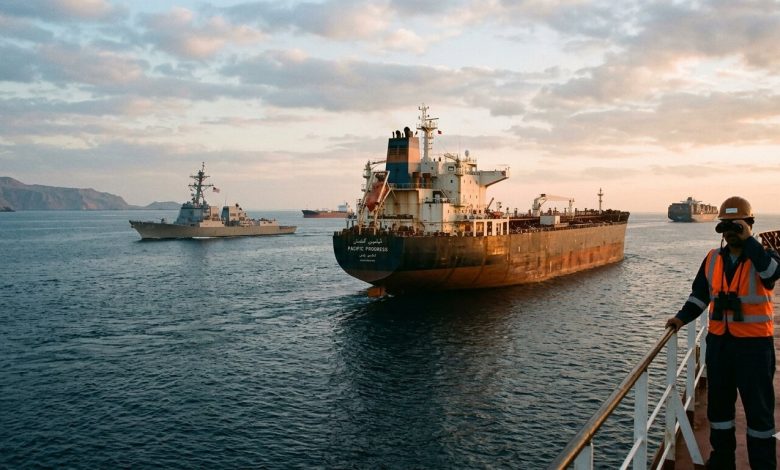
The U.S. Navy has allowed more than a dozen merchant ships to pass into Iranian ports, effectively easing a maritime blockade as part of a preliminary agreement to end hostilities. Vice President JD Vance confirmed the operational shift during a White House press briefing on Thursday.
According to data provided by White House officials, more than 12.5 million barrels of oil transitioned through the Strait of Hormuz on Wednesday night alone. In our observation of maritime intelligence, two Iranian oil tankers successfully breached the previous blockade parameters without intervention, carrying an estimated 3.8 million barrels of crude oil.
"We are honoring our end of the early part of the agreement on the military side," Vice President Vance stated during the briefing. The announcement follows intense domestic debate regarding whether the preliminary diplomatic framework disproportionately favors Tehran.
Table of Contents
The Diplomatic Framework and Transition Period
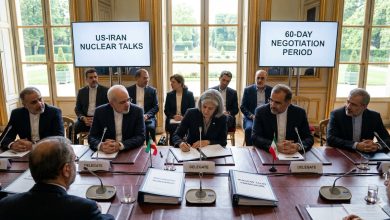
The current framework establishes a temporary cessation of active military operations and triggers a 60-day negotiating window. This timeline is intended to produce a comprehensive treaty addressing the future of Iran's nuclear infrastructure.
According to official briefings, the initial terms require Iran to dilute its stockpile of highly enriched uranium under the direct supervision of international inspectors. This process targets material believed to be secured within fortified underground facilities.
Furthermore, the initial text binds Iran to a formal pledge against the procurement or manufacturing of nuclear weapons. This repeats prior international declarations but links compliance directly to the removal of western economic and naval pressures.
Restoring Maritime Trade and the Strait of Hormuz
The primary focus of the initial phase is the stabilization of global energy markets. The strategic corridor had been obstructed during the height of the conflict, precipitating a severe international energy supply crisis.
The logistical adjustments detailed by Vice President Vance indicate a return to shipping protocols utilized prior to the outbreak of hostilities. The reopening of the channel is expected to immediately lower global shipping insurance premiums and normalize transit times for tankers moving through the region.
Diplomatic sources indicate that while commercial shipping lanes are reopening, the long-term status of economic sanctions remains contingent on the upcoming 60-day negotiations. President Donald Trump has publically noted that the United States retains the option to reinstate naval restrictions if verification milestones are missed.
Verification Challenges and Next Steps
The next phase of the process involves the deployment of international verification teams to monitor the dilution of enriched uranium. Analysts note that verifying compliance in damaged or fortified installations presents a significant technical challenge for inspectors.
U.S. officials stated that technical teams from the International Atomic Energy Agency (IAEA) are currently coordinating with regional authorities to establish baseline measurements. These measurements must be finalized before the broader economic elements of the treaty can be negotiated.
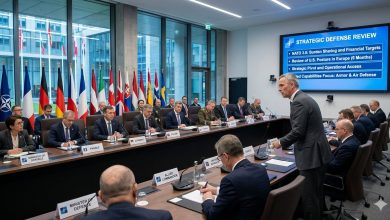
The upcoming diplomatic sessions are scheduled to take place in a neutral European location. The primary objectives will center on creating a permanent monitoring framework and defining the specific legal mechanisms for sanction relief.



Leave a Reply
Thank you for your response.
Please verify that you are not a robot.